
EXARC Journal Issue 2025/3

DOAJ Seal
EXARC Journal Issue 2025/3
EXARC Journal

11 Articles | DOAJ | Open Access
ISSN: 2212-8956
Publishing date: November 20, 2025
📄 EXARC Journal 2025/3 Table of Contents
Copyrights: EXARC, 2025


Summary

The 2025/3 EXARC Journal contains eight reviewed and three mixed-matter articles. All articles in our Journal are open access to allow for free exchange of information in the fields of experimental archaeology, historical reconstruction, ancient technology, experiential studying and presenting of the past. The reviewed papers span a broad range of experimental archaeology topics: Shelby Putt explores how the CURE model can enhance teaching experimental archaeology; Wijnhoven and Kmošek investigate how partial tinning could have been achieved using Roman-era technology; Zavradashvili and colleagues examine the Mghvimevi engravings, whether these were intentional or incidental; Luc Bordes studies the practical purposes of fluting on wooden artifacts; Elizabeth Tarulis’ team recreates an intestinal condom recipe to test its impact on ZooMS analysis; Ruby Becker and Helen Banta experiment with woad dyeing across historical periods; Sarah Mitchell and Chloe Duckworth explore the manufacturing process of Late Bronze Age Egyptian glassmaking; and Giovanna Fregni discusses overlooked elements in reconstructing prehistoric chaînes opératoires. The mixed-matter section includes an account of building a painted Roman portico in Alésia, an interview with master furrier Richard Rees, and an article exploring possible cultural continuities in the village of Uteliya, India.


Reviewed Articles

A Missing Link in the Chaîne Opératoire
Author(s)
E. Giovanna Fregni 1 ✉
Publication Date
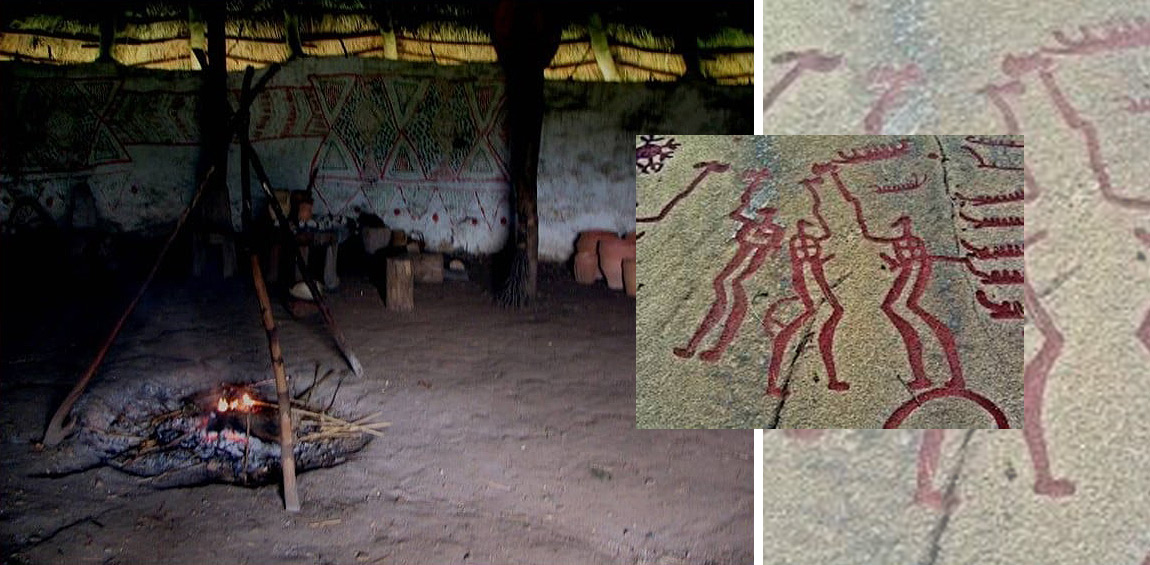
How elitist attitudes shape archaeological interpretations. A curious misunderstanding arose while writing about Bronze Age metalworking hearths and smiths. I stated that no tools are found at metalworking sites after the work was completed as the tools and materials would have been taken away. The reader took the statement to infer that I was arguing for the idea that metalsmiths were itinerant, as described by Gordon Childe (Childe, 1940, p.176); that they packed up and left for another settlement...

The Art of Contrast: Experimental Insights into Partial Tinning on Roman Military Equipment
Author(s)
Martijn A. Wijnhoven 1 ✉,
Matĕj Kmošek 1
Publication Date
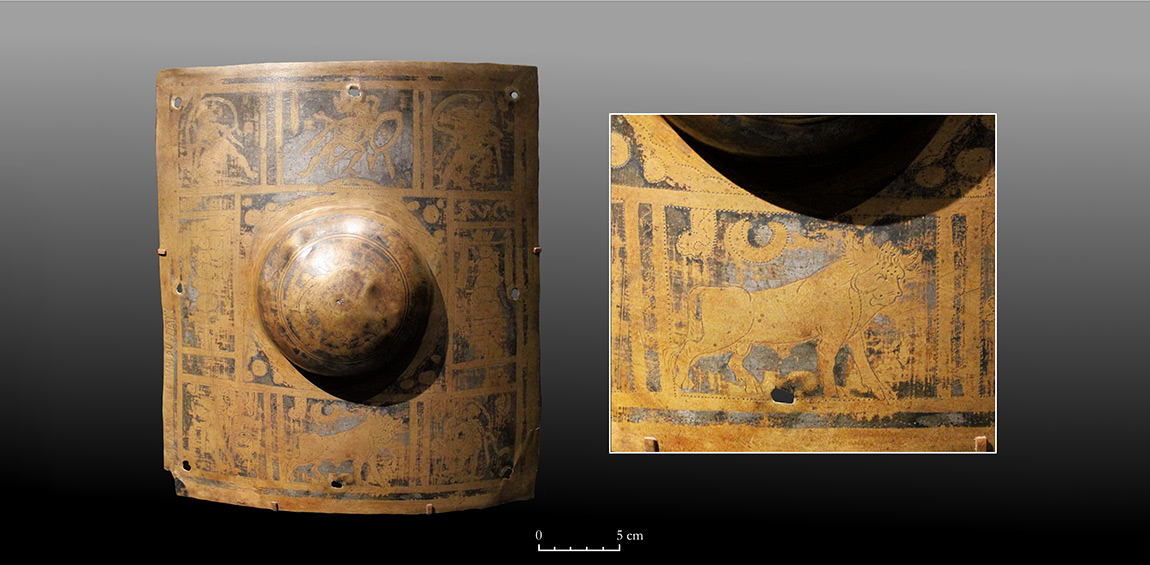
Roman armour was frequently richly decorated, with embossed designs being among the most striking examples. A more subtle technique, sometimes used alongside embossing, was partial tinning on copper alloys: the selective application of a tin layer to create a visual contrast with the base metal. Recent analysis reveals this method was more technically complex than previously assumed. This article presents experimental insights into how partial tinning could have been achieved using Roman-era technology...

Between Function and Symbolism: Experimental insights from Mghvimevi
Author(s)
Aleko Zavradashvili 1, 2 ✉,
Levan Losaberidze 2, 3,
Mariam Kokhreidze 1,
Tatia Mamalashvili 4,
Vladimer Kenkadze 1
Publication Date
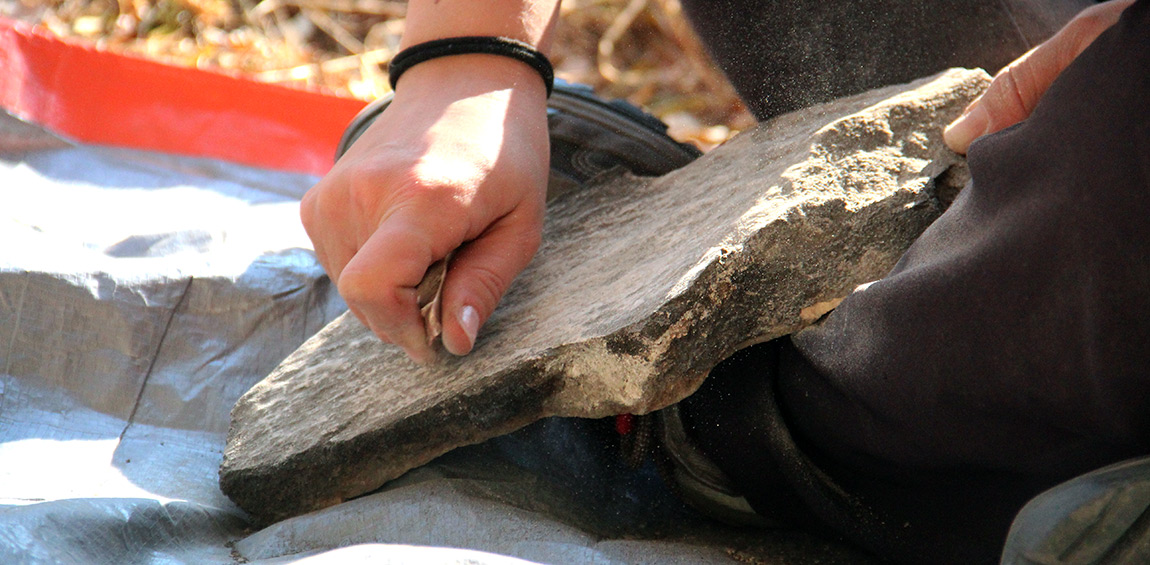
The Mghvimevi engravings represent the oldest known rock art in Georgia, dating to the Upper Palaeolithic. Fieldwork campaigns revealed 30 grooves consisting of parallel and intersecting lines. The nature of these grooves raises questions about whether they represent intentionally produced symbolic art or incidental traces of utilitarian activity. To address this issue, an experimental archaeology project funded by EXARC was undertaken...

Investigation of the Practical Functions of Fluting on Throwing Sticks and on Other Ethnological Wooden Artefacts
Author(s)
Luc Bordes 1 ✉
Publication Date
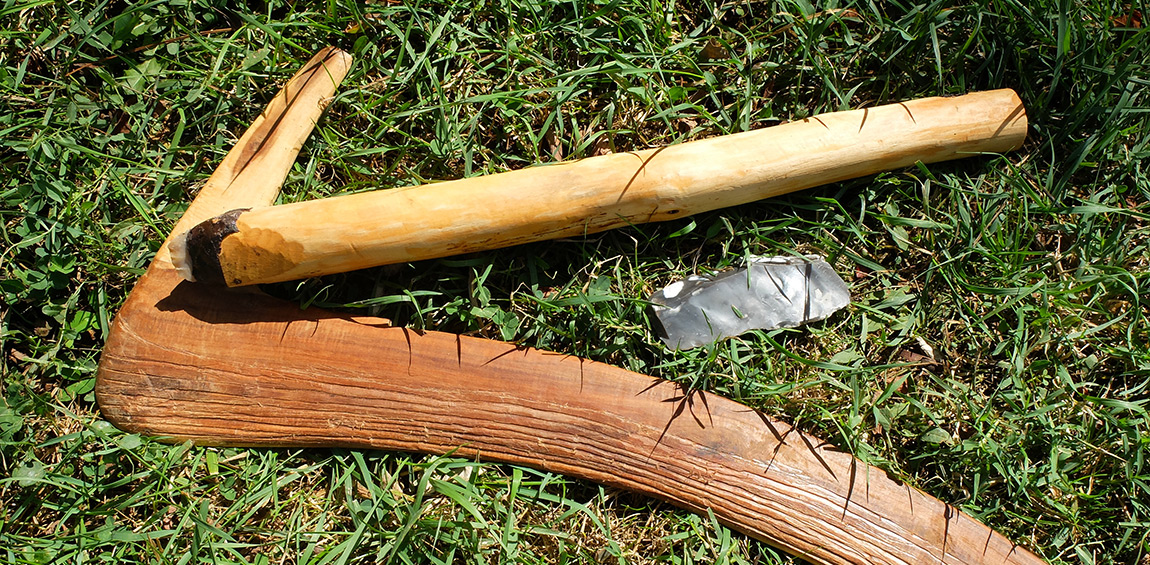
Why are the surfaces of some Australian throwing sticks fluted? According to a previous research, this feature could positively influence their flight, but this effect does not explain the function of fluting on other wooden artefacts (shields, clubs, containers) which are not used as projectiles. The former function of flutes is probably to be found among others type of wooden implements from which it has been transferred to throwing sticks...

Certain Small Contrivances. Recreating an Intestinal Condom Recipe to Determine the Potential Effects of Manufacturing on Zooarchaeology by Mass Spectrometry (ZooMS)
Author(s)
Elizabeth G. Tarulis 1 ✉,
Taylor Bowden-Gray 1,
Brigid M. Ogden 1
Publication Date
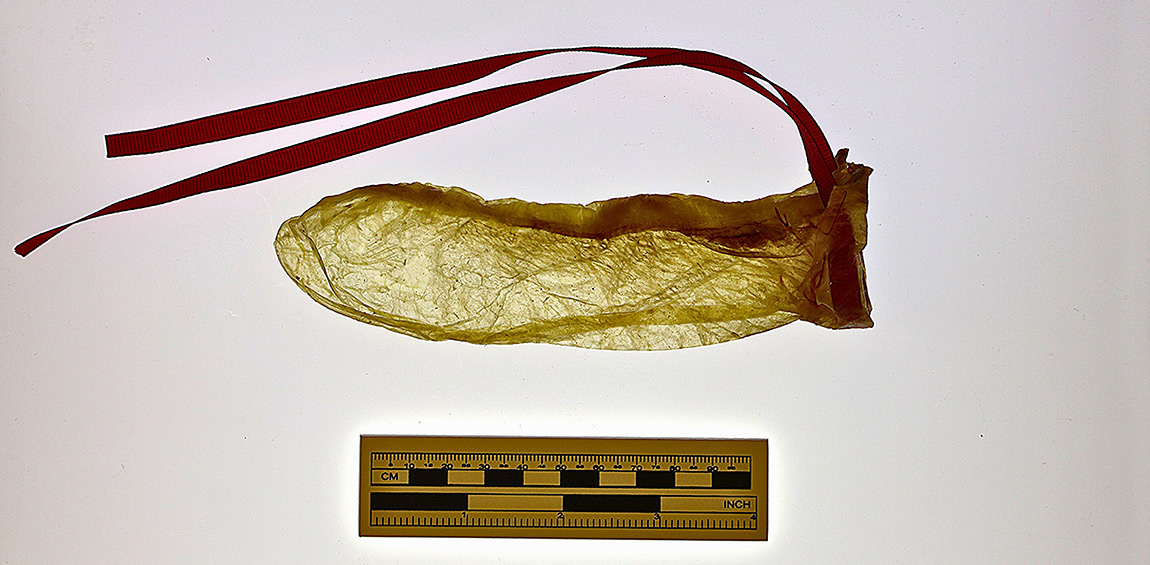
Skin and membranous artifacts are rarely recovered from archaeological excavations due to taphonomic processes that result in rapid decomposition. These classes of artifacts can, however, occasionally be preserved in extreme conditions such as waterlogging, freezing, and dry environments. One such artifact is likely an intestinal condom recovered from a well at the Oxon Hill/Addison Plantation site (18PR175; ca. 1685-early 20th c.) in Maryland, United States...

Adventures in Woad: Woad Dyeing in the Ancient, Medieval, and Modern Worlds
Author(s)
Ruby Becker 1 ✉,
Helen Banta 1
Publication Date
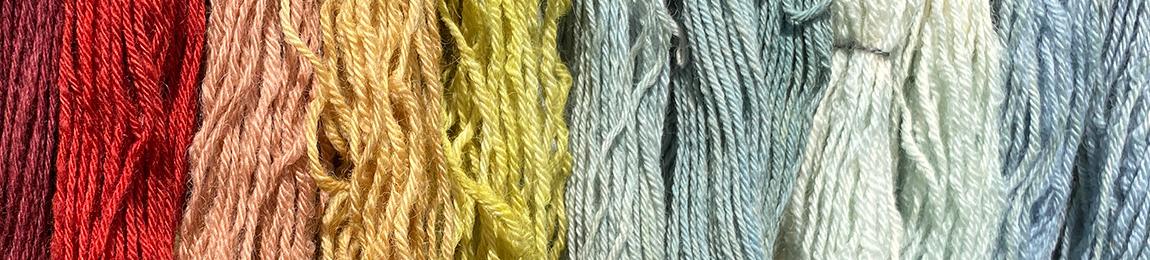
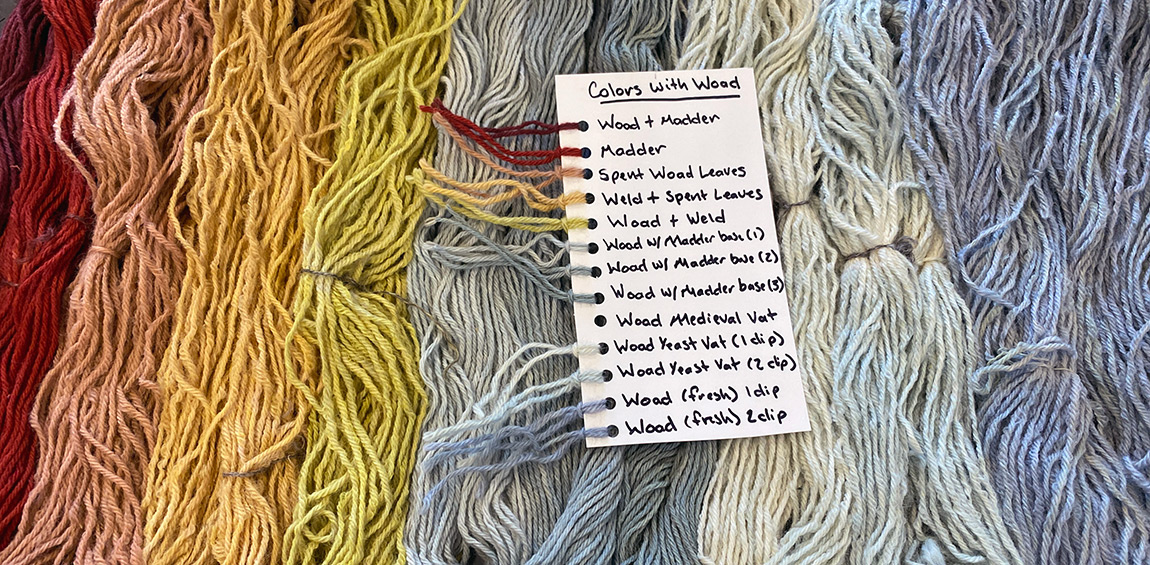
In this article, we explored woad and its uses as a dye on both cloth and skin. Using experimental methods, we constructed woad vats using recipes and techniques from modern, early modern, and medieval times to better understand how dyeing with this key dye material of the ancient and medieval worlds functioned. We also experimented with dyeing techniques on skin to better understand the passage in Caesar's Gallic War which references Gauls with blue-dyed skin...

Jewels Created from Dirt: An Investigation into the Social Context behind Glass Manufacturing in Late Bronze Age Egypt
Author(s)
Sarah Mitchell 1 ✉,
Chloe Duckworth 1
Publication Date
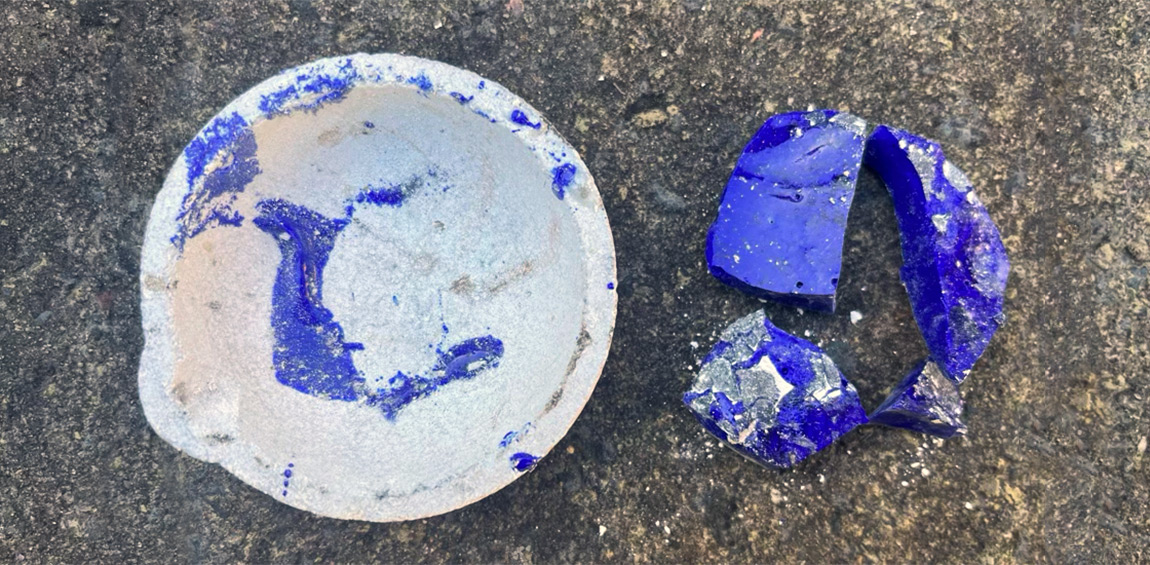
This study aims to understand the manufacturing process of glass ingots, particularly blue glass, through the use of different furnace types, including electrical and wood-fired furnaces in varying locations. The study also investigates the use of a separator in the manufacturing process, which would allow for the glass ingots to be easily separated from the crucibles. Various materials such as oil, pure lime, and crushed oyster shells are used as a parting layer in the glass crucibles; both the lime and oyster shell layers are successful in separating the ingots from the crucibles after firing...

A CURE for Teaching Experimental Archaeology

Author(s)
Shelby S. J. Putt 1 ✉
Publication Date
This paper explores the ‘Course-based Undergraduate Research Experience’ (CURE) model as an effective approach to teaching experimental archaeology. While the CURE model has been successfully used in STEM fields to enhance student engagement and produce positive long-term impacts on academic and career success, it has yet to be widely implemented into experimental archaeology curriculum - despite the inherently experiential, hands-on nature of the discipline...