EXARC Journal Issue 2026/2



13 Articles | DOAJ | Open Access
ISSN: 2212-8956
Publishing date: May 29, 2026
📄 EXARC Journal 2026/2 Table of Contents
Published by EXARC
Listen in to the episode of "EXARC Extracts", where we provide you with a short summary of the articles in the latest issue of the EXARC Journal. Matilda Siebrecht summarises the reviewed articles from the 2026/2 issue of the EXARC Journal. It includes six reviewed articles as well as seven unreviewed mixed matter articles.
Summary
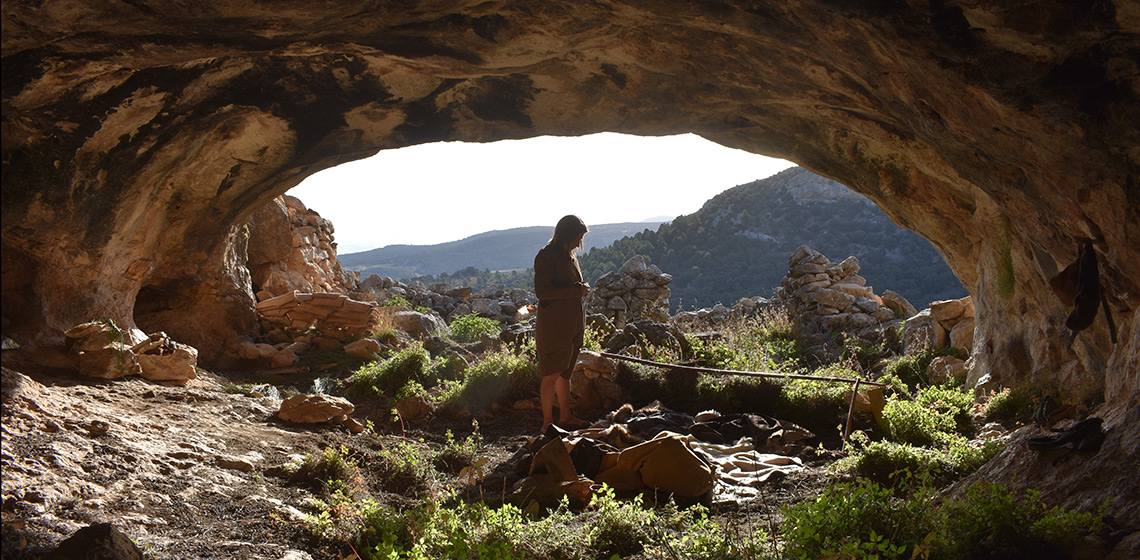
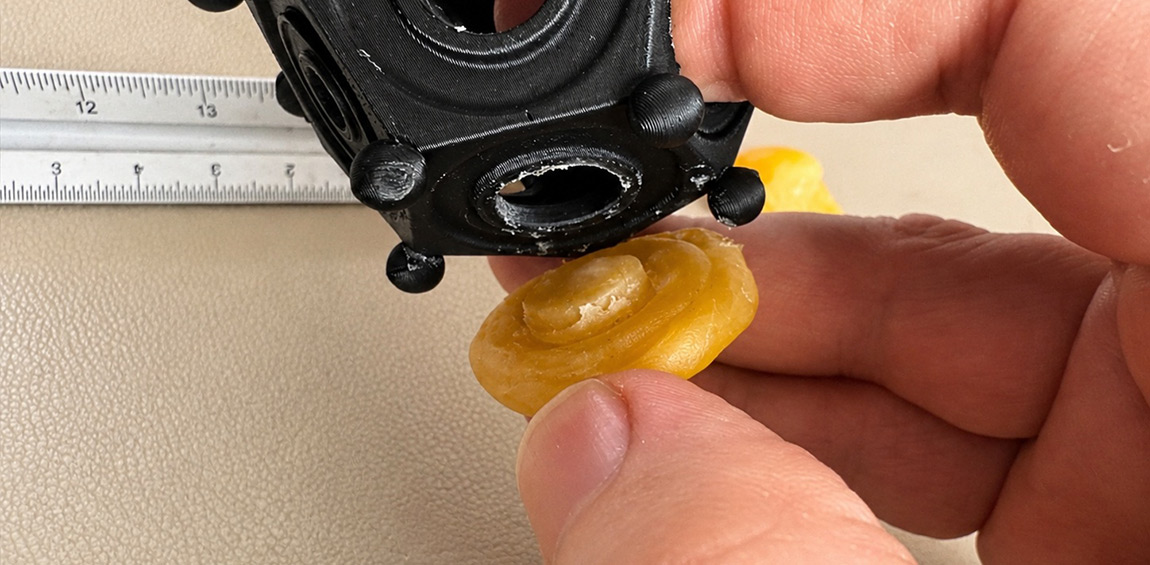
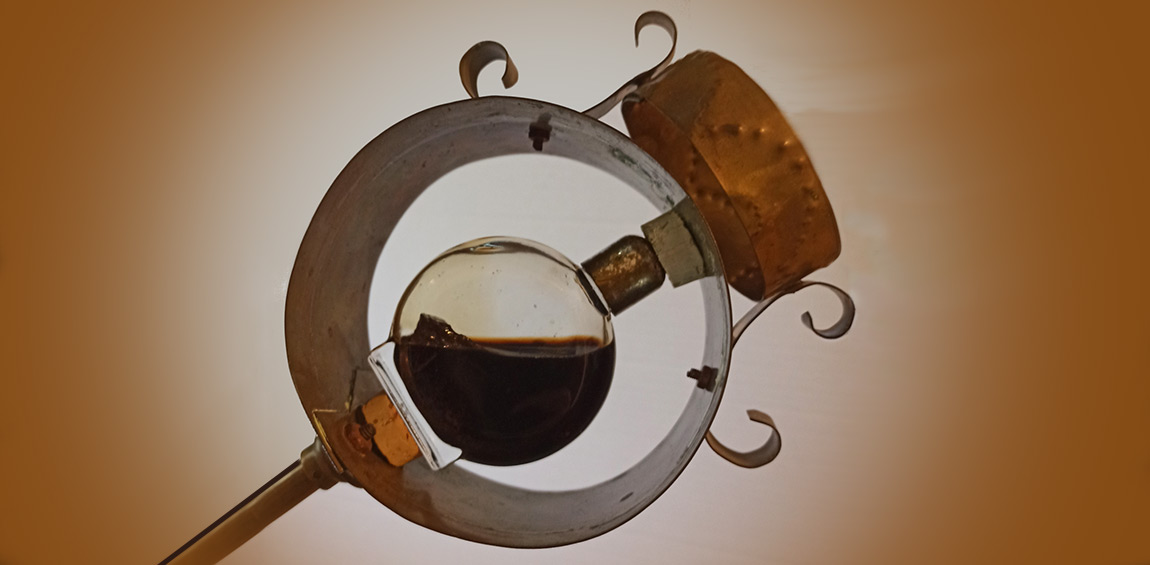
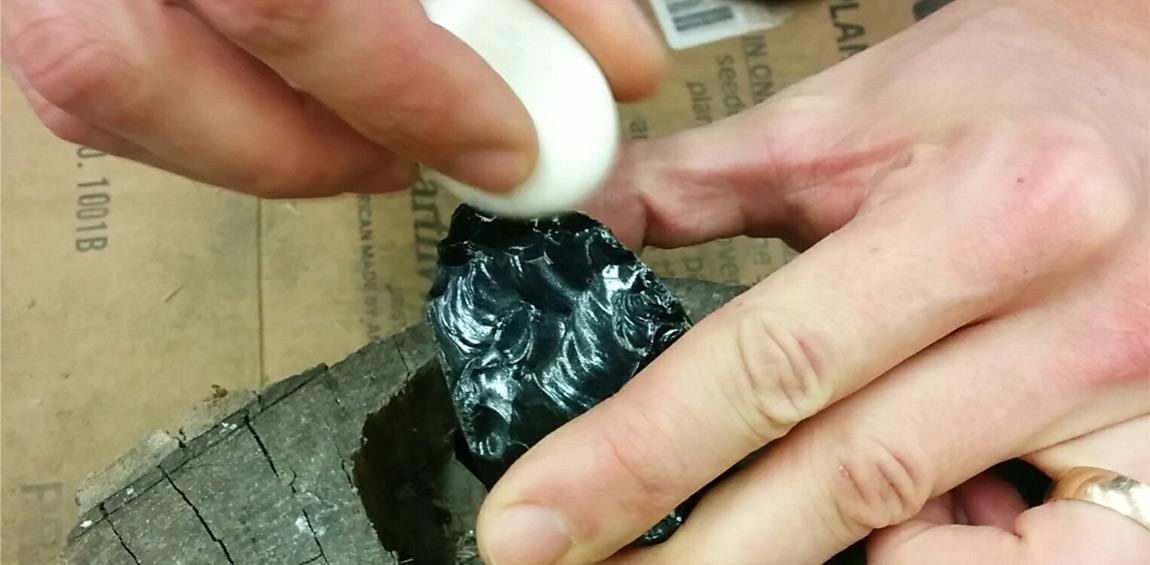
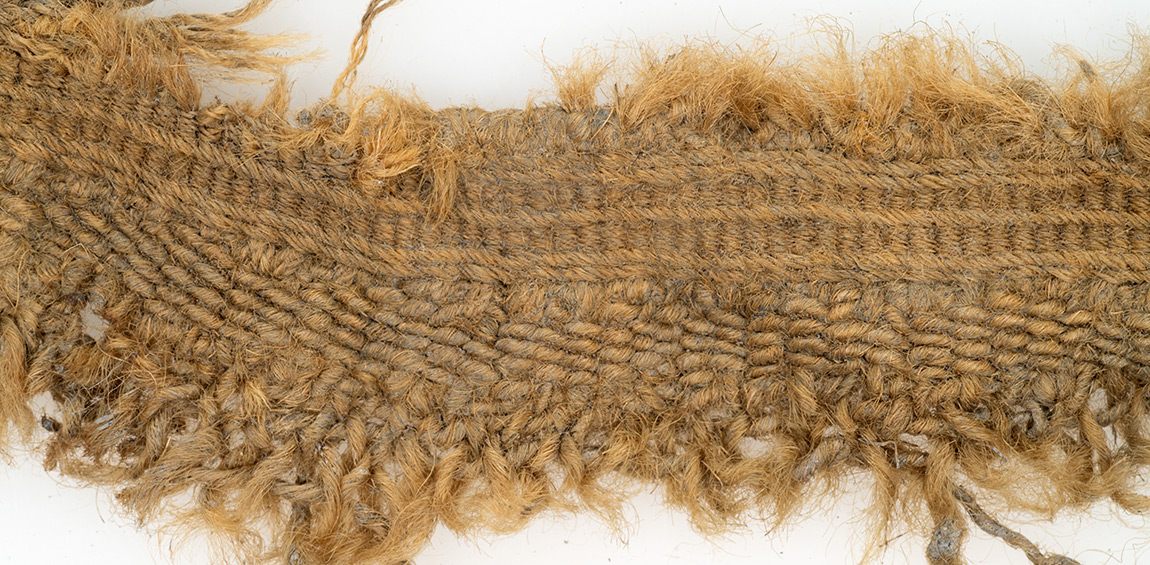
The 2026/2 issue of EXARC Journal contains six reviewed and seven mixed matters articles. All articles in our Journal are open access to allow for free exchange of information in the fields of experimental archaeology, historical reconstruction, ancient technology, experiential studying and presenting of the past. Éloi Bérubé and Shanti Morell-Hart studied microscopic plant residues on obsidian blades. The study provides insights into the relationship between obsidian blade use, deposition of botanical residues, and recovery of microbotanical remains. Kayleigh Saunderson, Anna Zimmermann and Karina Grömer seeked to understand through experiments HallTex 390, a new textile recently excavated in the Hallstatt salt mines. Life of a stone axe presents results of an eight year long set of experiments studying the life of polished stone tools from their manufacture, use and use after repair or as a new tool. Luigi Garlaschelli and Giacomo Torzo propose two natural explanations to Italian medieval religious blood relics, that periodically 'miraculously' liquefy. Kaira Shlipak aimed to experimentally reconstruct textile cleaning in the ancient Roman fullonicae. Greg Lamb’s study tests whether the form of the Roman dodecahedron is consistent with use as a practical tool in administrative contexts. Mixed matters offer an eclectic collection. On one side we have reports of events, a book review and an obituary of Professor Mamoun Fansa, on the other side Darrell Markewitz made, through his article, available data from his 25 year of iron smelting in small bloomery furnaces. Pedro Lucas Salcedo and Teresa Fernández Azorín report on prehistoric immersions, activities that emulate human life in a prehistoric context within a natural environment.
Reviewed Articles
A Functional Reassessment of Roman Dodecahedra as Tools for Forming Standardised Wax Objects
Life of a Stone Axe. Chaîne opératoire of Neolithic Polished Stone Tools Based on an Archaeological Experiment. A View at the Second Life of Polished Tools from Czechia

Mysteriously Liquefying Blood Relics in Italy
Slicing into the Past. Experimental Use of Obsidian Prismatic Blades and Analysis of Modern Botanical Residues
A New Tablet Weaving Technique from Bronze Age Hallstatt
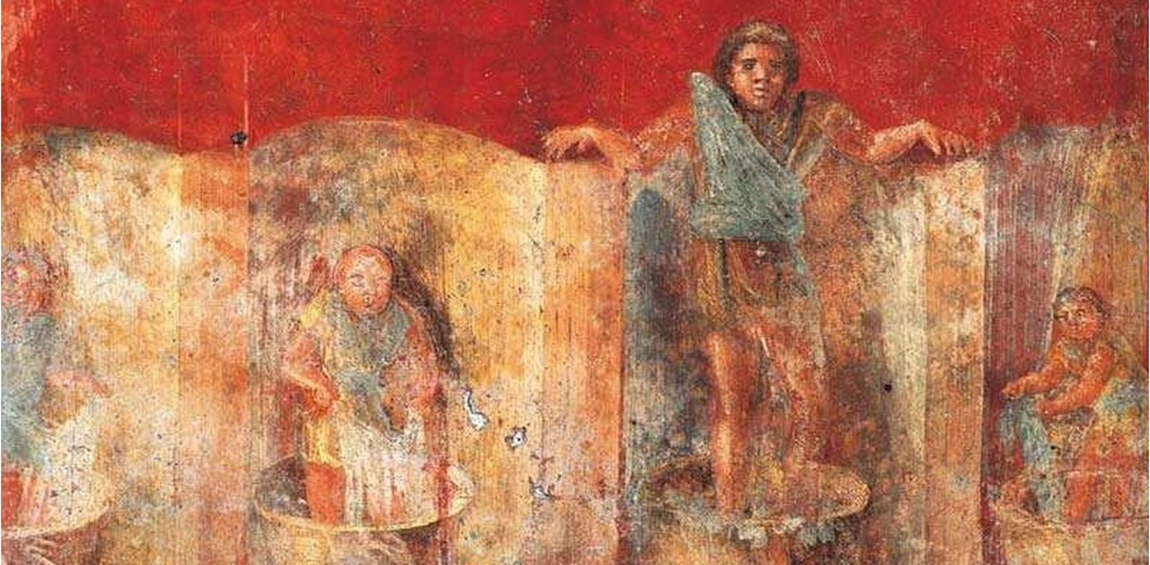
Reconstructing Textile Cleaning in the Ancient Roman Fullonicae