

The content is published under Creative Commons Attribution 4.0 International license (CC BY 4.0).
Reviewed Article:
Mysteriously Liquefying Blood Relics in Italy
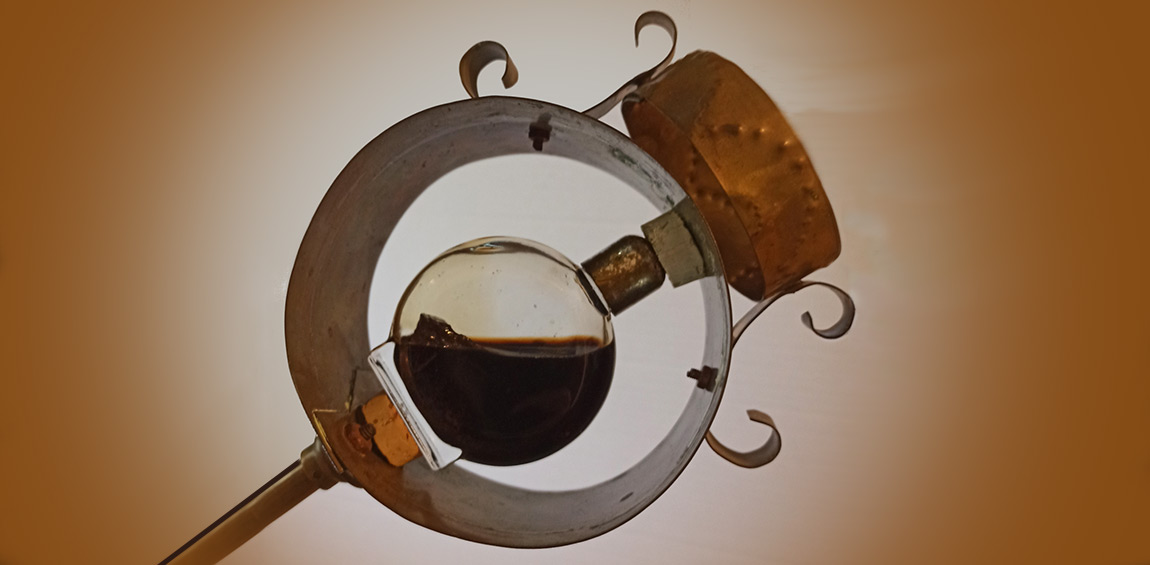
The properties of three Italian medieval religious blood relics, that periodically 'miraculously' liquefy, are described and two natural explanations proposed: they may either consist of a thixotropic substance, that can change from solid to liquid when stirred or shaken, or - more probably - of a low-melting substance, that melts when the temperature rises. A few different suitable substances, such as fats, are proposed for this second hypothesis, along with the best dyes that could be added, and actual reproductions of the relics are reported.
Introduction
The examination of historical relics, particularly those shrouded in myth and constructed narratives, is an endlessly fascinating endeavour. Bridging the gap between scientific analysis and cultural history, the exploration of the making and significance of these objects is an attempt to decode their historical and cultural meaning, offering insights into both their physical composition and the mythology surrounding these intriguing objects.
Among the religious relics still venerated by the Roman Catholic Church are the blood remains of saints. In Italy alone there are around 190 blood relics (Alfano and Amitrano, 1951). A very small number of these relics liquefy from their usual coagulated state on certain occasions, usually during religious ceremonies, in a surprising and supposedly paranormal way, only to solidify again after some time.
If blood is drawn from a living body and poured into a container, the soluble serum protein fibrinogen forms a network of insoluble fibrin, which in turn binds the erythrocytes and forms a jelly-like clot. This clot can be mechanically broken down, but once this has been done, no further change of state can take place, since the fibrin cannot be regenerated outside a living body. The re-solidification of a blood sample would therefore be even more surprising than its initial liquefaction.
The most famous of these miraculous relics is a small bottle containing a dark, unknown substance believed to be the blood of St. Januarius (St. Gennaro), which has since 1389 been re-liquefied once or twice a year in Naples (Alfano and Amitrano, 1924; De Blasiis, 1887).
Other relics of this type, where the phase transition from solid to liquid is evident, are the blood of Saint Lawrence (S. Lorenzo) in Amaseno (Frosinone) and that of Saint Pantaleone in Ravello (Avellino). The behaviour of these blood-samples seems to be very similar to each other.
Discussion
We will now examine the properties and behaviour of these relics in an attempt to find indications about their composition; that is, what substances and what, if any, dyes they might contain. Our hypotheses must also be historically plausible, since we cannot assume the use of ingredients that were unknown at the time of the appearance of the relics.
Properties and Behaviour
The relic of St. Lawrence
The 'blood' of St. Lawrence (Giannetta, 1964) is held in a small vial and kept in a closed niche. When checked at random times of the year, the substance appears as a solid, opaque, brownish mass. At the bottom of the container there is some inert material, possibly sand or ashes. On the feast day of August 10, the niche is opened and the 'blood' turns out to be a red, clear liquid. The liquefaction possibly begins days before the feast day and ends much later (exact daily records have never been taken) (See Figure 1).
The red substance representing St. Lawrence's blood does not behave at all like real blood for several reasons. Blood is not transparent, as it is composed of solid particles (red blood cells, white blood cells, and platelets) suspended in an aqueous liquid (plasma). A clear red haemoglobin solution might be obtained by the rupturing of red blood cells and the release of their contents into the surrounding plasma. However, haemoglobin in such a solution would have decomposed over the centuries and lost its bright red colour; and a water solution would have dried up in the inadequately sealed vial.
On August 10, 1996, one of the authors (LG) obtained permission to examine this relic as part of a television documentary led by a team from Italian state television, Rai2. (Garlaschelli, 1998). The vial was cooled by clamping it by the neck and immersing its lower part in a water-ice bath. After a few minutes, the entire liquid contents solidified into an opaque, brownish mass. Finally, the water bath was slowly reheated to the original room temperature (29-30°C) by holding a hairdryer underneath while stirring the water and monitoring the temperature with a lab thermometer. At 29-30°C, the contents of the flask started to melt again and turned red, clearly indicating that the observed change in the blood-sample of St. Lawrence was merely a temperature-related effect of a substance with a low-melting point.
We notice that this relic is described in the church consecration act scroll (1177) as reliquia de pinguedine St. Laurentii Mart. (relic from the fat of the martyr Saint Lorenzo). The liquefaction of the substance was not cited until the XVII century, when it became named 'fat and blood', and finally just blood. This fact might even raise the suspicion that the early relic was at that time substituted for the present one, having evident liquefying properties.
The relic of St. Pantaleone
The larger vial supposedly containing the 'blood' of St. Pantaleone in Ravello seems to behave in a very similar way: it only liquefies in the warm season and, like that of St. Lawrence, it consists of a tan opaque mass when solid and a reddish clearer layer when liquid. This relic has never been properly examined as it is permanently locked behind an iron grid (See Figure 2).
It would therefore be interesting to obtain more precise data on this substance. The simplest check would be a regular daily recording of the state of the substance as a function of temperature, maybe by means of a thermometer placed as close as possible to the container which, as mentioned, is never moved.
The melting temperature and the general appearance suggest that both the relics of St Lawrence and of St. Pantaleone might be composed of fats, waxes or mixtures thereof, probably containing a suitable oil-soluble red dye.
As the substance of these two relics seems to have been quite stable over the centuries, one can assume a high proportion of saturated fatty acids, since, chemically speaking, an excess of saturated fatty acids in the triglycerides makes them more resistant to degradation, i.e. autoxidation due to oxygen (Thomas, 2005a), leading to rancidity. Waxes are even more stable, but they generally have too high a melting point. For example, beeswax has a melting point range of 62°C to 64°C (Merck Index, 1989i).
The relic of St. Januarius (San Gennaro)
St. Januarius, according to ancient traditions, was a bishop of Benevento who was beheaded during the persecution by Emperor Diocletian in 305 AD. Bone relics attributed to him have been known since the IV or V century when his cult began, becoming increasingly important in the following centuries (de Ceglia, 2016). Ceremonies in his honour were instituted by archbishop Orsini of Naples in 1337, but no mention of liquefying blood was made until 1389, when on August 17, the phenomenon was first reported. A chronicle of Naples written in 1382 describes the Januarian cult but still makes no mention of either the miracle or the relic (See Figures 3 and 4).
For this world-famous relic, one of the non-paranormal hypotheses put forward to explain its behaviour, was that the alleged blood sample was simply a material with a low melting point. In this case it would remain in a solid state when in its somewhat cooler vault, but would melt when brought to the warmer altar, in the midst of a crowd. This hypothesis was formulated as early as the eighteenth century and quickly substantiated based on numerous recipes, mostly utilising waxes, fats or gelatine with suitable colourants (de Ceglia, 2014; 2017; Salverte, 1856).
In the case of the Januarian alleged blood, however, there is an important difference. This relic is subject to many movements during the solemn ceremonies performed in its honour, while the large vial containing the blood of St. Pantaleon is never moved, and that of St. Lawrence is only gently moved once from its niche to the altar.
A few years ago, it was therefore suggested that thixotropy could provide an alternative explanation for its properties (Garlaschelli, et al.,1991; 1994). Thixotropy refers to the property of certain gels to became more fluid, even from solid to liquid, when stirred, vibrated, or otherwise mechanically disturbed, and to resolidify when left to stand (Mewis and Wagner, 2009). Common examples of such substances are ketchup or mayonnaise sauce and some types of paints and toothpastes. Simply handling the relic during the ceremony, repeatedly turning it over to check its condition, might thus be sufficient to provide the necessary mechanical stress to trigger its liquefaction.
Hypothesis
A possible thixotropic preparation
In support of our hypothesis, we succeeded in producing thixotropic specimens very similar to the Januarius relic, even possessing the correct dark brown colour, using materials and techniques available in the fourteenth century. 10 g of powdered CaCO3 (a compound that was the basis of many white pictorial pigments, obtained from marble, limestone, or crushed eggshells) are slowly added to a stirred solution of 25 g FeCl3.6 H2O. in 100 ml H2O. Iron chloride is a yellow mineral called molysite, which occurred naturally on Mount Vesuvius, the volcano near Naples. The resulting dark brown solution is placed into a dialysis cellophane tubing (Visking brand– any cutout) that is suspended in a container with distilled water. The water is changed at 12 h intervals for 2 days. The dialysis can be performed with a thin parchment (attached to the end of a bottomless tube) or from animal guts (obtained from a butcher or also sold as prophylactics). The solution is concentrated to its original volume and 35 mL of the solution is poured into a small round flattened bottle. A tiny amount of NaCl is dissolved into the solution, which is left untouched for a few hours to see if it has jelled. If not, more salt is added in small portions.
Our preparation changed from a very thick gel to a completely free-flowing liquid by simply reversing its container several times or by gently tapping it.
Thixotropy or low-melting substance?
A consideration in favour of the thixotropic hypothesis is that the behaviour of the substance is little influenced by temperature, at least within the range to which the relic is subjected - say, 15°C to 35°C (Hîrjau, et al., 2016), and actually the liquefaction ceremony can and does occur during different seasons of the year (in March, on September 19th and sometimes on December), when room temperatures are probably different every time. On the contrary, a low-melting substance has a fixed melting temperature, and it should be easy to detect at what temperature the substance is still a solid, and at what temperature it melts.
Since the low-melting hypothesis was the first to be advanced historically, some attempts have been carried out to measure the possible changes in temperature during the ceremony. For example, Pietro Punzo (1880) in 1880 reported "air temperatures near the altar" of 30°C, 27°C and 25°C on September 19th, 21st and 25th 1879, with liquefaction occurring after 125, 6 and 13 minutes respectively. No temperature data are available for the December liquefaction, that reportedly does not always take place. These measurements have often been presented with the aim of demonstrating that the liquefaction can occur at different temperatures, and that the phenomenon is therefore not explainable.
Yet, these temperature measures were very generic and more precise measurements would be needed. The two relevant data are the temperature within the vault when the relic is taken out, and that of the place where the relic is later located. If the temperature within the vault is consistently lower than the melting point of the 'blood sample', the expectation would be for the substance to be found solid. In contrast, if the temperature outside the safe and near the altar is a few degrees higher, then liquefaction might be expected to occur sooner or later.
Readings of the vault temperatures would not be problematic, if for example, a precise enough thermometer is kept inside it and a reading is taken as soon as the vault door is opened. This would be useful, too, for those cases when the substance is said to be found already liquefied at the opening of the vault, as sometimes happens.
The measurement of the precise melting point of the substance, once extracted as a solid from the vault, might be more tricky, unless the thermometer bulb could be placed within the substance, which is impossible, since the 'blood' is contained in a small sealed glass bottle, that in turn is sealed inside a glass-and-silver portable relic case.
In addition, these measurements should be taken when a transition from solid to liquid of the alleged blood is expected, and not vice versa , since there is the possibility of fats exhibiting supercooling (also known as undercooling). This is the process of lowering the temperature of a liquid below its freezing point without it becoming a solid, whereas the opposite phenomenon - the melting of a solid just above the freezing point when heated - is hardly ever observed for any substance (Shamseddine, et al., 2022).
The most decisive and non-destructive test, that we have already proposed (Garlaschelli, et al., 1994, p. 125) would be the use of a climatic or environmental chamber, i.e. an equipment consisting in an enclosed space where conditions such as temperature and humidity can be exactly controlled. The whole relic case would be placed inside it, and the temperature slowly increased, giving the substance the time to equilibrate its own temperature, until melting is observed (See Figure 5).
It is clearly impossible to check all the movements and the mechanical stresses to which the real relic is subjected during the ceremonies and if they can account for the behaviour of a thixotropic substance, as opposed to the first hypothesis of a low-melting one. For example, during the procession in May, when the relic is brought to the church of St. Chiara, the relic is moved and made to swing for a long time. Since almost invariably the liquefaction occurs, we might think that the cause is either the mechanical stress of the substance if thixotropic, or the warmer air and/or the direct sunrays if the substance is a low melting one.
In other instances, to account for the fact that the substance is already liquefied when extracted from its vault, we could either suppose that the very act of picking it up can inadvertently trigger its liquefaction, if the relic is thixotropic, or that the temperature inside the vault was already above the melting point, in the case of a low-melting substance. And vice versa : when the 'blood' does not liquefy even when the relic case is rotated or elsewhere moved, we should suppose that either the relic is being gently handled and the mechanical energy provided is too small for the liquefaction of a thixotropic sample, or that the room temperature is still below the melting point in the thermal hypothesis.
For all these reasons, it is clear that precise tests under controlled conditions are needed. To confirm or disprove thixotropic properties of the alleged blood it would be rather simple a task to modify a dynamometric pendulum (Xie, Deng and Liu, 2023) in such a way that the clamped relic case is hit by a pendulum falling from different heights and/or loaded with increasing weights.
Thermal hypothesis: the Pros
There are other considerations that seem to favour the thermal hypothesis over the thixotropic one.
Ease of preparation
Since both the St. Lawrence and St. Pantaleone relics are certainly sensitive to temperature, it seems less likely that the St. Januarius relic is based on a completely different mechanism. Although the preparation of our own thixotropic samples used materials and techniques that would have also been available in the 14th century, it seems that such procedures, although relatively simple, are less probable than using a simple fat.
Stability over time
A thixotropic preparation is intrinsically unstable, as in gels of this type with suspended particles may spontaneously aggregate, thus losing their properties. Our own preparations - although no efforts were taken to stabilise them or to further extend their shelf life - retain their thixotropic properties for a maximum of only a few years. On the contrary, a low-melting substance such as a partly saturated fat is expected to have reasonable stability over time. In fact, the relic of St. Lawrence dates back to at least 1600s, and that of San Januarius (which, in addition, is perfectly sealed and away from contact with the air) to the end of the 14th century.
The details of the liquefaction
There is no detailed documentation of how the very moment of the liquefaction takes place for the real relic of St. Januarius, that would be useful to discriminate between the two hypotheses. Our own thixotropic concoctions start to liquefy near the walls of a small flask, and in a fairly short time the mass of the substance becomes less viscous and finally completely liquid, leaving only a thin film on the glass when the relic case is tilted. A low-melting mass, on the other hand, will similarly first melt near the walls of the vial, but the liquefaction of the inner core will require some more time to reach a sufficient temperature. Unfortunately, the container of the 'blood' of St. Januarius has a round shape, and once a thin layer of melted substance is present near its walls, the whole mass can easily slip down when the relic case is tilted, looking like it has already completely liquefied. Since the substance is totally opaque, it is not therefore normally possible to detect a still unmelted mass. Nevertheless, the presence of such a mass, traditionally named "globo" (the globe), has been occasionally reported (Alfano and Amitrano, 1924) and is clearly visible in a few recent photographs (Vocenews, 2024). The occurrence of this phenomenon is therefore a strong indication that the contents of the vial are a low-melting substance.
Historical plausibility
In investigating the thermal hypothesis while looking for cues of such substances, we meet two limitations. Among the many fats and oils we can only choose those that were known before the relic appeared historically, and we must limit ourselves to those having a melting point within the necessary temperature range, i.e. those to which the substance can be normally subjected, say from 16°C to 30°C. Incidentally, it should be pointed out that most of the other alleged unexplainable properties of the substance - aside from the liquefaction - are no longer observed or reported, even if not openly denied even by the Church authorities. For instance, volume variations of the alleged blood are simply anecdotal claims, as no records (i.e., of the volume of the relic) are available to support this claim. Colour variation and boiling or frothing of the 'blood' are both undocumented claims. Erratic weight variations were recorded in 1902 and 1904 - with an increase of up to 28 g in an estimated 30 ml of "blood" (Silva, 1905). However, eleven repetitions of the measurements, requested by the Church Authorities between 1979 and 1983 and using modern and more precise electric balances failed to confirm any significant weight variation (Geraci, 2010 ).
Components
Since, in conclusion, we believe that the thermal hypothesis is very plausible, in the following sections we will focus on some fats and dyes that could be suitable candidates for reproducing a "miraculous blood relic". Of course, we cannot exclude other substances not yet investigated, such as inorganic salts and the like.
Fats
Melting - or better softening ranges - temperatures of the fats were measured with a modified Thiele apparatus (Vogel, 1989). Since the fat cannot be inserted into the capillary tube (1 - 2 mm diameter) generally used in this apparatus, we adopted a narrow test tube into which a few drops of the melted fat were added. The lower end of the thermometer was then inserted into the small test tube in such a way that the bulb was completely immersed in the melted fat. The test tube was held in position with the aid of a very fine wire. Thermometer, test tube and fat were then cooled down inside a water bath until solidification took place and then very slowly heated (<0.5°C per minute) until melting was observed. The thermometer was not calibrated.
As an improvement of this set-up, we also made use of an experimental apparatus, including a Peltier cell fed by a controlled current, to heat/cool the sample very slowly. The sample is contained in a glass tube (10 mm diameter) which is placed inside a water-bath (an aluminium vessel 30 mm diameter) whose temperature is measured by a linear temperature sensor. The sample is continuously monitored by a water-proof videocam inserted in the water bath.
Tallow and lard
Melting range ca. 38-47°C. (Merck Index, 1989a)
Lard is an animal fat obtained by rendering the fatty tissue of a pig; tallow from those of cattle or sheep. Known since prehistorical times, these fats contain circa 40% of saturated fatty acids and 45 % monounsaturated fatty acids. Their melting range, however, is too wide and too high to be of any interest to our purposes.
Cocoa butter
Melting range 28–36 °C (Thomas, 2005b).
Cocoa butter is a fat extracted from the cocoa bean ( Theobroma cacao ). This triglyceride contains palmitic acid, oleic acid, and stearic acid. It can have different crystalline forms having melting points 17.3, 23.3, 25.5, 27.5, 33.8, and 36.3°C, the most stable of which melts at 33.8°C. (Wille. and Lutton, 1966). However, it has been known in Europe only since the XVII century, and it has too high a melting range.
Spermaceti
Melting range 30-40°C. (Merck Index, 1989c; Villavecchia - Eigenmann, 1977a).
Salverte proposed for an imitation of the 'blood' of St Januarius a mixture of spermaceti diluted with ethyl ether (not known before 1540), plus a red dye. Spermaceti is a waxy substance extracted from the head of the sperm whale ( Physeter macrocephalus ). It is composed mostly of cetyl palmitate, the ester of cetyl alcohol and palmitic acid. A saturate wax, as opposed to a triglyceride, it is more resistant to oxidation and more stable over time. However, the substance generally used is separated by cooling raw spermaceti, which is semi-solid and contains smaller amount of triglycerides. Whales’ exploitation started during the XVII century, and the melting range of the substance is too high for our purposes and for these reasons we think that it is not a good candidate.
Red palm oil
Melting range circa 30-42°C. (Merck Index, 1989e; Villavecchia - Eigenmann, 1977c).
It is a vegetable fat extracted from the fruits (not from the kernels) of the plants Elaeis guineensis and it contains around 50% saturated fat, 40% unsaturated fat and 10% polyunsaturated fat. The use of oil palms dates back to at least 3,000 BCE; it could be extracted by simple cold pressing, not unlike olive oil. In its unprocessed state, red palm oil is yellowish when solid and has an intense orange colour when liquid because of its content of alpha-carotene, beta-carotene, and lycopene. This colour change, and its exotic origin, might well have elicited fantasies about its miraculous properties. Its melting point is higher than those expected for both the St. Januarius and St. Lawrence "bloods", but could possibly be suitable for the St. Pantaleone relic.
Clarified butter
Melting range circa 30-34°C (Merck Index, 1989b).
Known for centuries (the Indian preparation is named Ghee) it is obtained from ordinary butter by melting and heating until the water evaporates and the lactose, salts and proteins separate. We consider this a possible candidate for the 'bloods' of St. Lawrence and St. Pantaleone.
Coconut butter
Melting range circa 24-25.5°C. (Merck Index, 1989d; Thomas, 2005c; Villavecchia - Eigenmann, 1977b).
This edible fat is extracted from the fruits of the palm Cocos nucifera with various techniques. It is a triglyceride containing mostly saturated fatty acids (lauric, myristic, palmitic, capric) and only ca. 6.5% of oleic monounsaturated acid. This composition accounts for the rather narrow melting range, and possibly for a better resistance against rancidity.
Coconuts have been known since antiquity, as they had been harvested and shipped as export commodities across the Indian Ocean and into the eastern Mediterranean since Roman times. They are cited by Venetian explorer Marco Polo who encountered coconuts in Sumatra, India, and the Nicobar Islands between 1271 and 1295 (Bellonci, 1982). In general, the coconut trade was common during the Middle Ages (Kennedy, 2017).
The properties of this fat, as already noticed by Nickell and Fisher (Nickell and Fisher, 1993), can make it a very good candidate for the 'blood' of St. Januarius.
Considering all of these facts, we might conclude that the best candidate for the 'blood' of St Januarius could be coconut oil, while clarified butter might be suitable for the relics of St Lawrence, and clarified butter or possibly red palm oil for that of St Pantaleone.
Other candidates
It is tempting to try to find other substances melting at still lower temperatures than 24-25°C, as hitherto considered, like mixtures of free fatty acids. For example, oleic acid melts at circa 14°C.
- We tested the acidification of soap produced from olive oil, which is a mixture of potassium salts of fatty acids. Soap making from olive oil and lye was already known in western Europe at the end of the XIV century, as were strong acids. We obtained a thick emulsion of free fatty acids - mainly oleic (60-80%), linoleic (4-20%) and palmitic (7-20%) - that could be separated from the aqueous phase by long stirring at ca. 65°C and then dried. This mixture had a softening range of circa 40°C, which is too high for our purpose.
- Subsequent experiments, however, showed that the melting point of coconut butter can be lowered and fine-tuned in the range 15-25°C by adding varying amounts of turpentine (0-30 g/100g), as shown in Graph 1.
Turpentine is a distillate from pine trees resin (Mercier, et al., 2009) and has been used since antiquity.
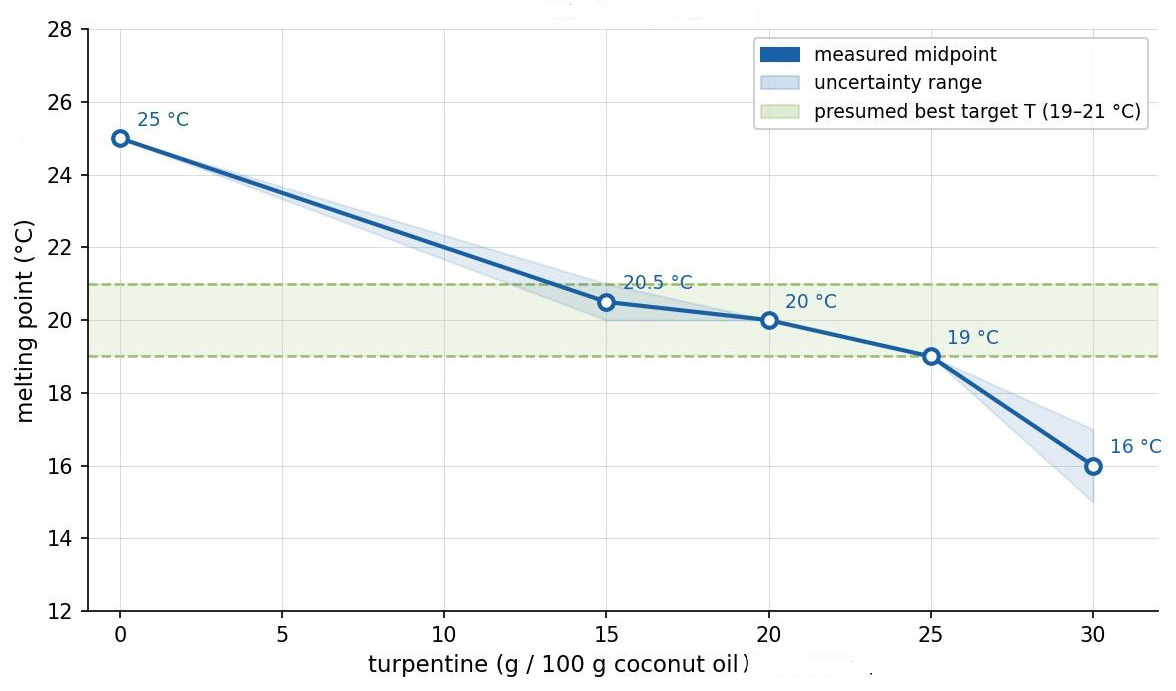
Graph 1. Reproduction of St. Janarius relic - melting point vs turpentine content
Dyes
Since the above fats - with the possible exception of raw red palm oil - are colourless, we must presume that some kind of dye had to be added to them to match the colour of the relics: a red dye for the relics of St. Lawrence and St. Pantaleone, a dark one for that of St. Januarius. These dyes must have been known since the XIV century and must be oil soluble.
Red dyes
Since the relics of St. Lawrence and St. Pantaleone are clear when in the liquid state, we ruled out all fat-insoluble pigment. Among the possible natural red dyes that we considered are:
- Carotenoids. We tested these compounds which can be extracted, for example, from ground bell peppers (the fruits of Capsicum annuum, red variety) or from commercial paprika by long stirring in liquid fats, better if at 40-50°C. The colour is never very intense and shows a reddish-orange hue; furthermore, bell peppers seeds were imported to Spain only in 1493.
- Alizarin ( Merck Index, 1989f; Villavecchia - Eigenmann, 1977d). It is a red dye, historically derived from the roots of Rubia tinctorum. We tested it, and we could confirm that it is very sparingly soluble in water and insoluble in fats.
- Sandalwood extract (Sivakumar, et al., 2017; Villavecchia - Eigenmann, 1977e). We tested an alcoholic extract of red sandalwood from the plant Pterocarpus sandalinus , that grows in tropical Asia, and that contains santalin as the primary colourant. We found it is soluble in alcohol but neither in water nor in fats.
- Dragon's blood (Merck Index, 1989g; Thompson, 1936; Villavecchia - Eigenmann, 1977f). It is a vegetable resin extracted from the plants Daemonorops propinquus, Dracoena draco or Calamus draco Willd. which has a good red hue and was widely used during the Middle Age. Our tests confirmed that it is a fat-soluble dye, and it is a possible candidate for the St. Lawrence's relic.
- Alkanna extract (Merck Index, 1989h). Alkanna tinctoria ("dyer's alkanet " or simply " alkanet") , is a herbaceous flowering plant whose roots contain a red colouring material which has been used in the Mediterranean region since antiquity. The dyestuff, whose main component is alkannin, according to the literature is soluble in alcohol, ether, and oils, but is insoluble in water. We tested ground dried roots, commercially available, stirring them for a few hours in warm molten fat and finally filtering the roots away. Its colour is a strong red with a feeble crimson hue and looks even better than that from dragon's blood for an imitation of St. Lawrence 'blood'. Alkanna extract was, quite strangely, suggested by Salverte for a reproduction of the miracle of St. Januarius, whose 'blood' is not red, but dark brown, almost black (See Figure 6).
Dark dyes
The 'blood' of St Januarius is very dark and opaque, thus the use of a fat-soluble dye is not strictly necessary; therefore we tested also a few insoluble pigments. We adopted coconut oil as a fat and considered the following pigments and dyes.
- Ochre. Ochre is a family of earth pigments, containing iron (III) oxide-hydroxide, whose colour varies from yellow to dark brown or purple. Ochre has been used as a pigment since the Stone Age. When we added it to fats, a dark and opaque suspension can be obtained, but it settles at the bottom of the container when the fat remains in its molten state for a few hours, since the density of ochre (circa 3.5 g/mL) is higher than that of fats (circa 0.9 g/mL).
- Carbon black. It is a very common black pigment, traditionally produced from charring organic materials such as wood or bone, and was used extensively as paint pigments since prehistoric times. When we mixed it with fats, a dark and opaque suspension was obtained, but it also settles at the bottom of the container, since its density is 1.6- 2 g/mL.
- Graphite. Naturally occurring graphite might have been occasionally used even in prehistorical times, but it became more common only after 1500. As expected, we found that it is not soluble in fats, and settles in the bottle, since it has a density of 2.09–2.23 g/mL.
- Cuttlefish ink. Cephalopod ink from Sepia officinalis has been used in the past as ink for pens and quills; its dark colour is due to the presence of melanin. We tested commercially available, untreated samples, used as food dyes, but they are not soluble in fats.
- Iron-gall ink (Farusi, 2007). The black complex formed between tannic acids (extracted from galls) and ferrous sulphate (a mineral) was already known in the V century.
- When we added small amounts of tannin powder and ferrous sulphate (both commercially available) to melted coconut oil a dark complex has rapidly formed which, however, was not soluble in the fat.
- Birch tar (Kozowyk, 2017). Birch (bark) tar, or birch pitch, is a substance derived from the dry distillation of the bark of the birch tree, and its use as an adhesive dates back to the Neolithic era. This very dark pitch, fluid when heated, is mainly composed of triterpenoid compounds and is insoluble in water but readily soluble in turpentine and in fats.
When we dissolved this pitch in molten coconut fat (circa 2 g in 30 g) at circa 60°C, a brown liquid was obtained, which however is not dark enough. A somewhat better outcome was achieved by dissolving the pitch in a fat solution already containing alkanna extract. The solution was then filtered through a cotton wad while still hot. - Bitumen of Judea is a naturally occurring solid asphalt that has been put to many uses since ancient times. (Nissenbaum, 1993; Connan, 1999). According to the literature, it is soluble in turpentine and can be combined with oils, waxes, varnishes and glazes. It is available from art supply stores both in turpentine solution and as a brown powder.
We prepared a saturated turpentine solution by adding the bitumen powder to turpentine and stirring until further additions remained undissolved. This solution, once filtered, was then added in increasing amounts to the colourless molten coconut fat. We tried this procedure first to eliminate the need to filter the resulting solution after each addition. The resulting mixture was homogeneously brown, but not dark enough. A darker colour was obtained by dissolving the bitumen powder directly in the molten fat. We used ca. 2 g of bitumen in 25 g of coconut oil, stirring at 50-60°C for two hours and filtering some residue. The melting range was still 24-26°C. So far this is, in our opinion, our best imitation of the 'blood' of St Januarius (See Figure 7).
Final preparation notes
All of these solutions of coconut oil and bitumen had to be carefully filtered while hot through several layers of fine mesh cloth or a cotton wad (for historical reasons celite and/or other modern materials are ruled out), since small solid particles can act as crystallisation nuclei and erratically create unwanted lumps, particularly undesired for the reproduction of the januarian 'blood'.
The crystallisation of fats (triacylglycerides) can depend on cooling rate, temperature, etc., and polymorphic forms can be possible.
Coconut butter is reported to crystallize in only one stable form, named β'-2. During the crystallisation of this melted fat, the fraction of triacylglycerides mostly containing short chain saturated fatty acids - and therefore possessing a higher melting point - solidifies first and can thus be partially separated from the melt. (Thomas, 2005d). Recent investigations (Chaleepa, et al., 2010; Mursalin, 2018) have found that the best results are obtained when melted coconut oil is kept for a lengthy period of times (circa 24 h) at temperatures between 19 and 23°C, namely a few degrees below that of its melting point (circa 25°C).
This was fairly evident in our experimentation, too, leading to a mixture of solid and still liquid fat when our samples were left for many hours at a room temperature of circa 22°C. This behavior, which seemed at first undesired for our purposes, could be on the contrary put to use. Draining out of the bottle the still liquid fat we were in fact able to obtain dark brown samples that solidify homogeneously and without crystal lumps.
Conclusions
We have summarised our attempts to find good imitations of a few miraculously liquefying 'blood' relics, focusing on the tentative hypothesis that they might consist of a low-melting mixture. Considering the properties described for these relics, some good candidates appear to be:
- 'Blood' of St. Januarius: coconut oil dyed with Bitumen of Judea. This mixture is dark brown and has a fairly sharp melting range, around 25°C. The melting range can be further lowered and fine-tuned by addition of natural turpentine.
- 'Blood' of St. Lawrence: clarified butter dyed with Alkanna extract will melt at circa 30-34°C, which is in the range of the melting temperature experimentally observed.
- 'Blood' of St. Pantaleone: clarified butter or possibly red palm oil, and different dyes might be suitable for this relic, for which too little data is available for an educated guess.
Further data is clearly needed. However, controlled temperature increments and decrements and shock tests would represent the simplest non-destructive analytical methods by which the 'low melting' or 'thixotropic' hypotheses might be verified or disproved. Whether these and other tests will be allowed to go ahead wholly depends upon the Catholic Church.
Acknowledgements
The author wishes to thank Father Italo Pisterzi, Church of St Maria, Amaseno, for the permission to examine the relic of St Lawrence; Rai2 and director Gianni Romano for making this investigation feasible.
The Rai2 TV service was never broadcasted.
Keywords
Country
- Italy
Bibliography
Alfano, G.B. and Amitrano, A. 1924. Il miracolo di S. Gennaro: documentazione storica e scientifica. Napoli.
Alfano, G. B. and Amitrano A. 1951. Notizie storiche ed osservazioni sulle reliquie di sangue dei martiri e dei santi confessori e asceti che si conservano in Italia e particolarmente in Napoli. Napoli.
Bellonci, M. ed., 1982. Marco Polo - Il Milione . Roma.
Chaleepa, K., Szepes, A. and Ulrich, J. 2010. Dry fractionation of coconut oil by melt crystallization. Chemical Engineering Research and Design . 88(9), pp.1217-1222. https://doi.org/10.1016/j.cherd.2010.01.026.
Connan, J. 1999. Use and trade of bitumen in antiquity and prehistory: molecular archaeology reveals secrets of past civilizations. Philosophical Transactions of the Royal Society B: Biological Sciences. 354 (1379), pp.33–50. https://doi.org/10.1098/rstb.1999.0358.
De Blasiis, G. ed., 1887. Chronicon Siculum. 85. Naples. Available through: < https://babel.hathitrust.org/cgi/pt?id=nyp.33433000260970&seq=1 > [Accessed 12.08.2025].
de Ceglia, F.P. 2014. Thinking with the Saint: The miracle of Saint Januarius of Naples and science in early modern Europe . Early Science and Medicine, 19(2), pp.133-173.
de Ceglia, F.P. 2016. Il segreto di san Gennaro. Storia naturale di un miracolo napoletano. Torino.
de Ceglia, F.P. 2017. Playing God: Testing, Modeling, and Imitating Blood Miracles in Eighteenth Century Europe . Bulletin of the History of Medicine . 91, pp.364–392.
Farusi, L. 2007. Monastic ink: linking chemistry and history .Science in School , 6, 36.
Garlaschelli, L., Ramaccini, F. and Della Sala, S. 1991. Working bloody miracles . Nature , 353, 507. https://doi.org/10.1038/353507a0.
Garlaschelli, L., Ramaccini, F. and Della Sala, S. 1994. A Miracle Diagnosis. Chemistry in Britain, 30, pp.123-125.
Garlaschelli, L. 1998. Chemistry of "Supernatural" Substances. Journal of the Society for Psychical Research , 62(852), pp.417-423.
Geraci, G. 2010. Il miracolo di San Gennaro: esperienze e considerazioni di un biologo molecolare .Rendiconto dell'accademia delle scienze fisiche e matematiche. Napoli , 77, pp.141-152.
Giannetta, E. 1964. Il sangue miracoloso di S. Lorenzo martire. Frosinone.
Hîrjau, M., Ghica, M.V., Lupuleasa, D. and Dinu-Pîrvu, C.E. 2016. Flow and Thixotropic Parameters for Rheological Characterization of Hydrogels .Molecules , 21, 786. https://doi.org/10.3390/molecules21060786.
Kennedy, K.E. 2017. Gripping It by the Husk: The Medieval English Coconut . The Medieval Globe, 3(1), pp.1-25. https://muse.jhu.edu/article/758503.
Kozowyk, P.R.B, Soressi, M, Pomstra, D. and Langejans, G.H.J. 2017. Experimental methods for the Palaeolithic dry distillation of birch bark: implications for the origin and development of Neandertal adhesive technology .Scientific Reports , 7(8033), pp.1-9.https://doi.org/10.1038/s41598-017-08106-7.
Mercier, B., Prost, J. and Prost, M. 2009. The Essential Oil of Turpentine and its Major Volatile Fraction (α- and β-Pinenes): A Review. International Journal of Occupational Medicine and Environmental Health, 22(4), pp.331-342.https://doi.org/10.2478/v10001-009-0032-5 .
Merck Index, XI ed., 1989a. Rahway. 1429.
Merck Index, XI ed., 1989b. Rahway. 691.
Merck Index, XI ed., 1989c. Rahway. 1379.
Merck Index, XI ed., 1989d. Rahway. 384.
Merck Index, XI ed., 1989e. Rahway. 1107.
Merck Index, XI ed., 1989f. Rahway. 42.
Merck Index, XI ed., 1989g. Rahway. 541.
Merck Index, XI ed., 1989h. Rahway. 43.
Merck Index, XI ed., 1989i. Rahway. 1035.
Mewis, J. and Wagner, N. 2009. Thixotropy. Advances in Colloid and Interface Science , 147–148, pp.214-227. https://doi.org/10.1016/j.cis.2008.09.005.
Moscarella, E., 1989.. Il sangue di S. Gennaro vescovo e martire. Proculus, 4, pp 365-407.
Mursalin, M. 2018. Crystallization Kinetics Of Coconut Oil Based On Gompertz Model . Indonesian Food Science and Technology Journal , 1(1), pp.1-7. https://doi.org/10.22437/ifstj.v1i1.4269.
Nickell, J., Fisher, J. 1993. Mysterious Realms. Buffalo, N.Y. 159.
Nissenbaum, A. 1993. Utilization of Dead Sea asphalt through history . Reviews in Chemical Engineering , January, pp.365-383. https://doi.org/10.1515/REVCE.1993.9.3-4.365.
Punzo, P. 1880. Indagini ed osservazioni sulla teca di San Gennaro. Napoli.
Salverte, E. 1856. Des sciences occultes ou essai sur la magie, les prodiges et les miracles . Paris.
Shamseddine, I., Pennec, F., Biwole, P. and Fardoun, F. 2022. Supercooling of phase change materials: A review. Renewable and Sustainable Energy Reviews , 158, 112172. https://doi.org/10.1016/j.rser.2022.112172.
Silva, P. 1905 Il miracolo di San Gennaro. La Civiltà Cattolica, 56, pp.513-538.
Sivakumar, V, Rani, K and Kumari, M. 2017. Efficient extraction of natural dye from red sandal wood (Pterocarpus sandalinus) using ultrasound. International Wood Products Journal , 8(1), pp.6-9. https://doi.org/10.1080/20426445.2016.1214380 .
Thomas, A. 2005a . Fats and Fatty Oils. In: Ullmann Encyclopedia Of Industrial Chemistry. Weinheim. 21
Thomas, A. 2005b . Fats and Fatty Oils. In: Ullmann Encyclopedia Of Industrial Chemistry. Weinheim. 53
Thomas, A. 2005c . Fats and Fatty Oils. In: Ullmann Encyclopedia Of Industrial Chemistry. Weinheim. 50
Thomas, A. 2005d . Fats and Fatty Oils. In: Ullmann Encyclopedia Of Industrial Chemistry. Weinheim. 34
https://doi.org/10.1002/14356007.a10_173.pub2 .
Thompson, D. 1936. The Materials and Techniques of Medieval Painting . London, 124.
Villavecchia - Eigenmann 1977a. Spermaceti. Nuovo Dizionario di Merceologia e Chimica Applicata. Milano , 6, 2985.
Villavecchia - Eigenmann 1977b. Cocco (olio di). Nuovo Dizionario di Merceologia e Chimica Applicata. Milano , 3, 1028.
Villavecchia - Eigenmann 1977c. Palma (olio di). Nuovo Dizionario di Merceologia e Chimica Applicata. Milano , 5, 2307.
Villavecchia - Eigenmann 1977d. Alizarina. Nuovo Dizionario di Merceologia e Chimica Applicata. Milano , 1, 321.
Villavecchia - Eigenmann 1977e. Sandalo rosso. Nuovo Dizionario di Merceologia e Chimica Applicata. Milano, 6, 2825.
Villavecchia - Eigenmann 1977f. Sangue di drago. Nuovo Dizionario di Merceologia e Chimica Applicata. Milano , 6, 2827.
Vocenews, 2024. San Gennaro: miracolo. Il sangue si è sciolto alle 10.01. Available at: < https://www.vocenews.it/san-gennaro-miracolo-il-sangue-sciolto-10-numeri/ > [Accessed 08.09.2025].
Vogel, A.I. 1989. Vogel's textbook of Practical Organic Chemistry. Essex. 237.
Wille, R.L. and Lutton, E.S. 1966. Polymorphism of cocoa butter . Journal of the American Oil Chemists' Society, 43(8), pp.491-496. https://doi.org/10.1007/BF02641273.
Xie, S., Deng, W. and Liu, F., 2023. Impact velocity and bruising analysis of potato tubers under pendulum impact test. Brazilian Journal of Agricultural and Environmental Engineering 27 (7) pp.559-566. https://doi.org/10.1590/1807-1929/agriambi.v27n7p559-566