
experiment
Between Function and Symbolism: Experimental insights from Mghvimevi
Publication Date
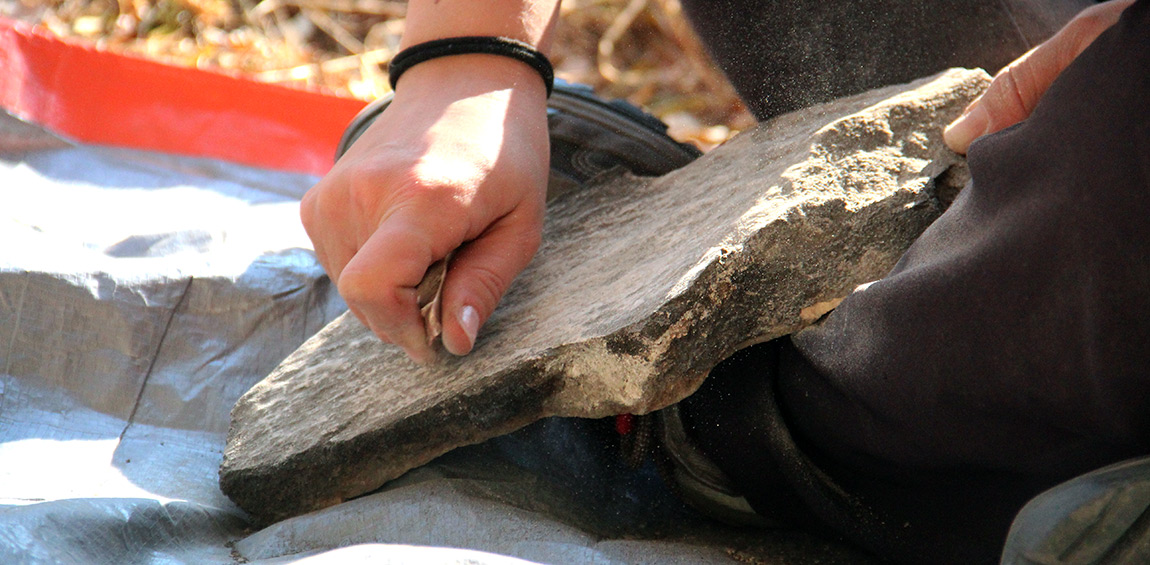
The Mghvimevi engravings represent the oldest known rock art in Georgia, dating to the Upper Palaeolithic. Fieldwork campaigns revealed 30 grooves consisting of parallel and intersecting lines. The nature of these grooves raises questions about whether they represent intentionally produced symbolic art or incidental traces of utilitarian activity. To address this issue, an experimental archaeology project funded by EXARC was undertaken...
Rediscovering and Rebuilding the Tranent-Cockenzie Waggonway: archaeology and experimental archaeology of Scotland’s First Railway
Publication Date
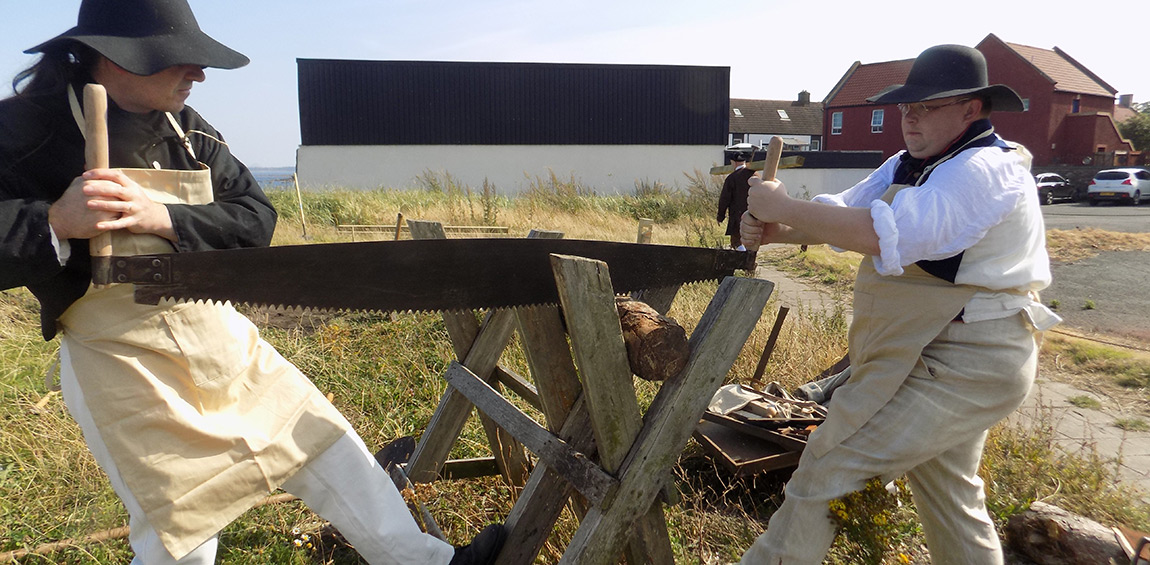
This paper discussed the history, archaeology and experimental reconstruction of the Tranent-Cockenzie Waggonway. First it outlines the known chronology of the railway; secondly is describes the archaeology of the wooden phases of the waggonway (1722-1815) and finally the recent (2024) experimental archaeological project which attempted to reconstruct a 6m long section of the waggonway based on archaeological evidence found in 2019 and 2021...
Conference Review: The Future of Experimentation, Lejre, March 2024
Publication Date
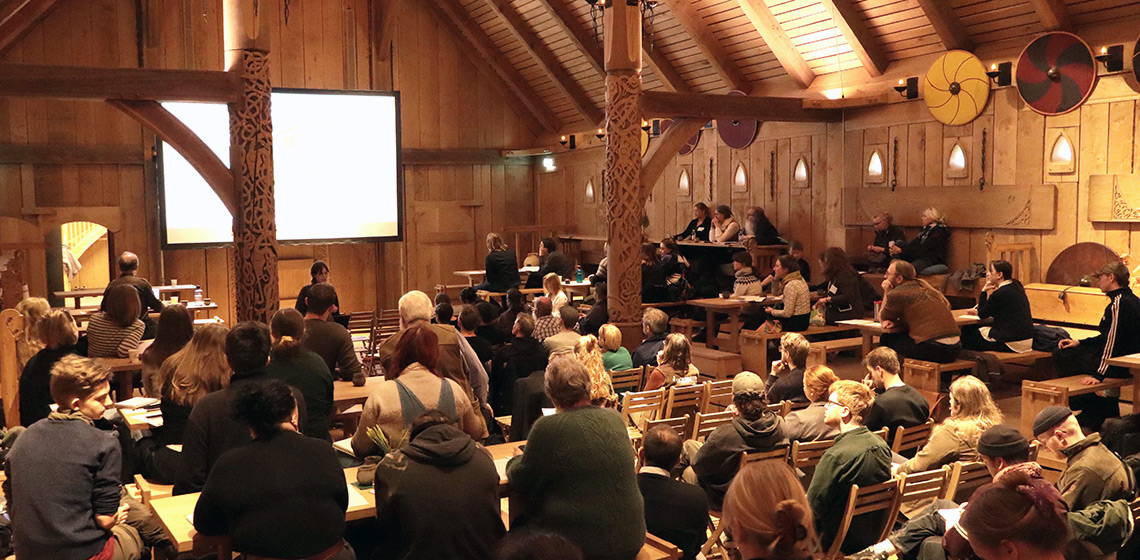
On 13 March 2024, Lejre Land of Legends and the SAXO Institute at the University of Copenhagen organised a seminar: The Future of Experimentation – from experiment to new archaeological knowledge.
Experimental Approach to Flint Shaft Mining: Understanding the Extraction Process and the Technical Gesture at Casa Montero (Madrid, Spain)
Publication Date
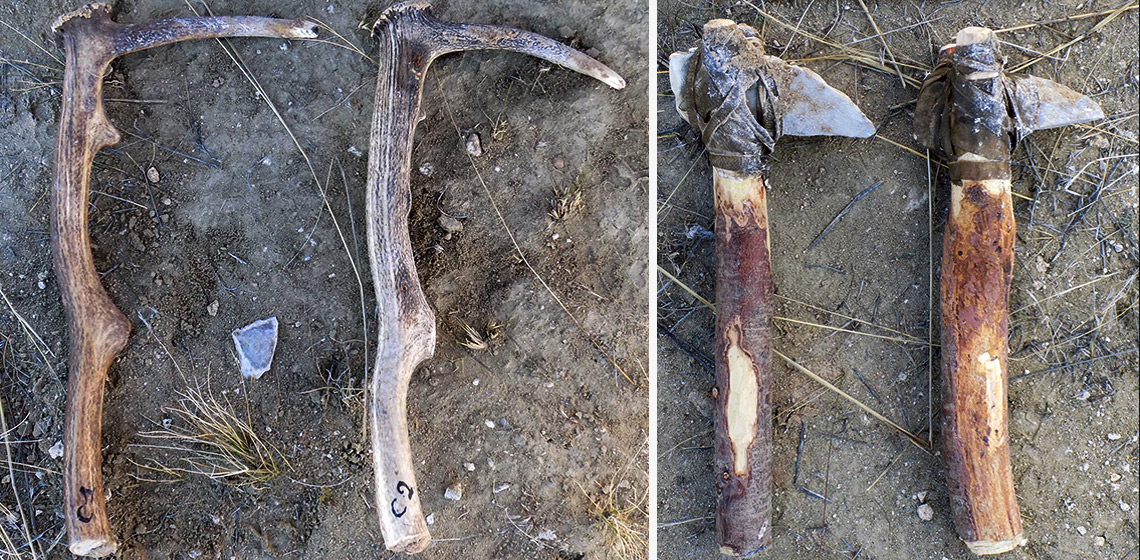
Since prehistory, human populations have developed specific knowledge related to the excavating and exploitation of underground resources. These abilities are reflected in the tools used to extract and process raw materials and the use of specific architectural expressions such as rock-cut tombs...
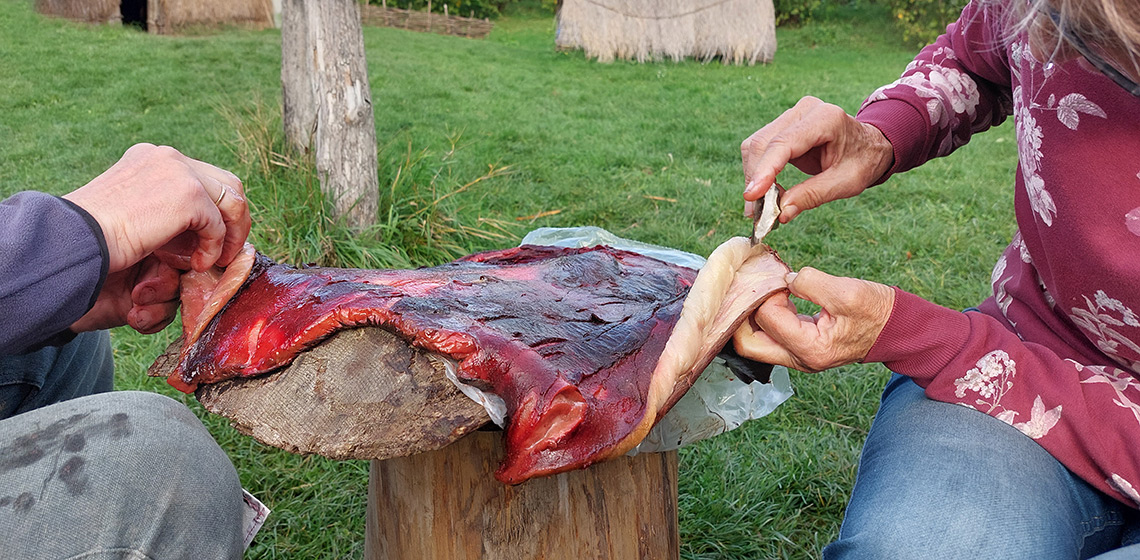
Scraping Seal Skins with Mineral Additives
Publication Date
Neolithic scrapers from the Vlaardingen Culture (3400-2500 BC) display a variety of hide-working traces, amongst which traces interpreted as being the result of contact with dry hide. It has been suggested that, potentially, some of these implements were used to scrape fatty hides with mineral additives. Therefore, a series of experiments...
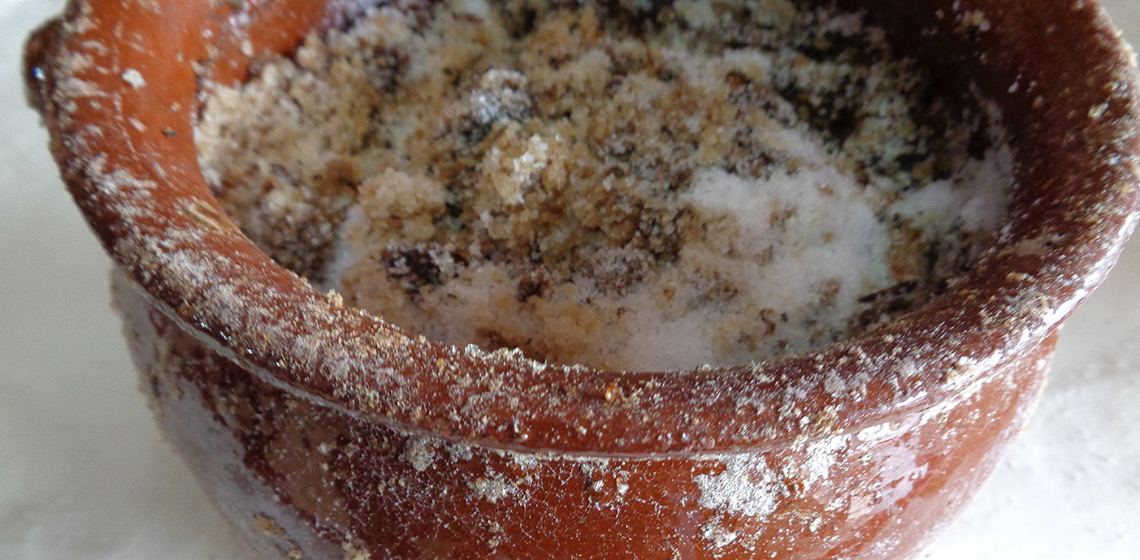
Garum Sardiniae in Tabula: Rediscovering the Ancient Taste of Roman Cuisine
Publication Date
The historiography concerning the Garum, as well as the archaeological evidence of the same, are very wide and cover the entire topic both from the historical and archaeological points of view. Can a team of archaeologists faithfully recreate Garum today, starting only with the historical knowledge available to us, and at the same time ...
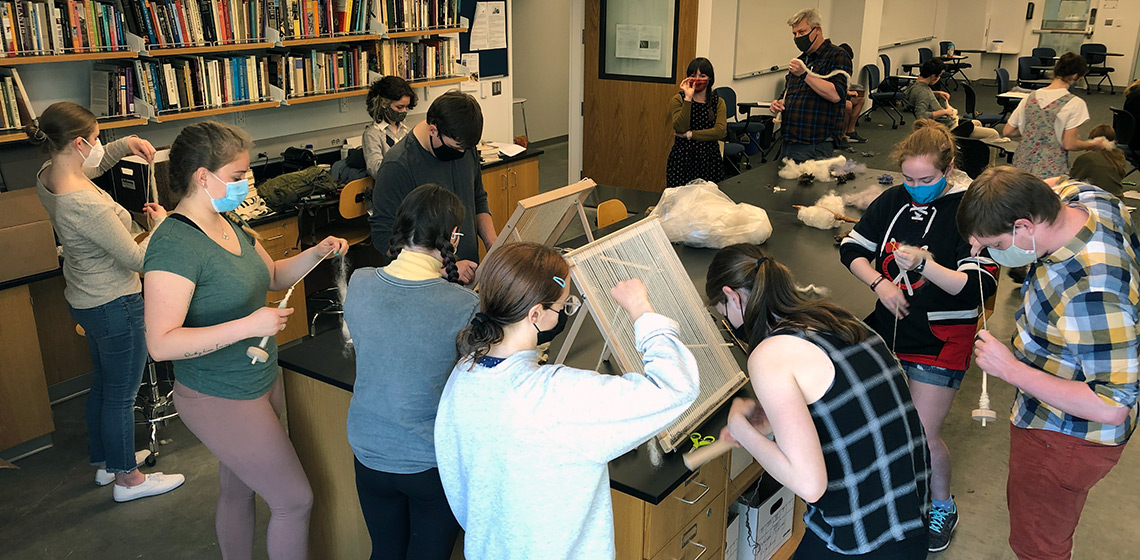
Launching an Experimental Archaeology Course at the Undergraduate Level
Publication Date
This article describes the process of designing and running a new course on Experimental Archaeology and Experiential History at a small liberal arts college in central Minnesota. We discuss the general methodological and pedagogical goals for the course, a representative three-week sequence of readings and labs based on the lives of shepherds, and the pedagogical and digital infrastructure...
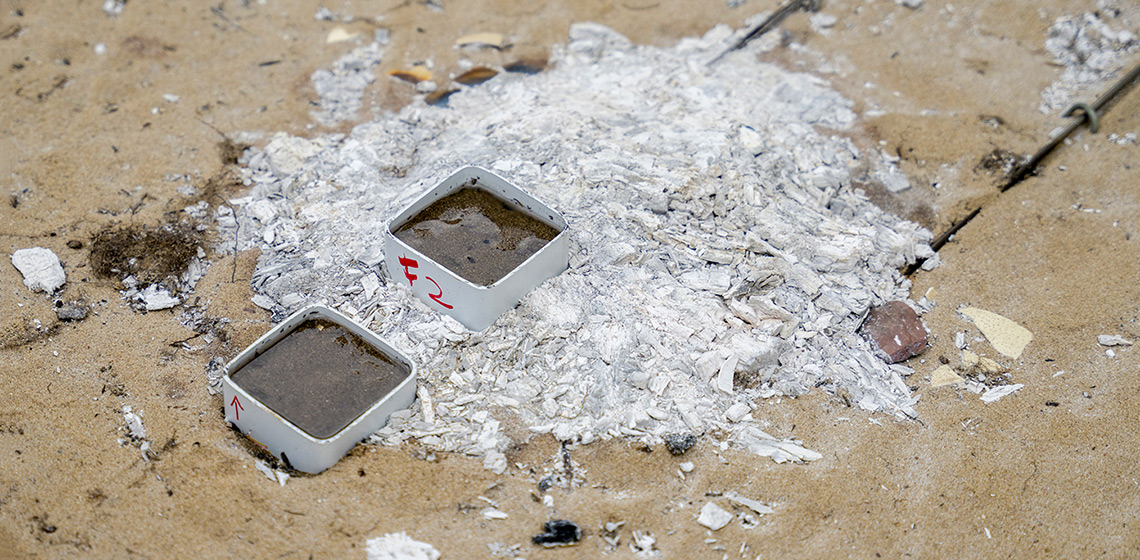
Pilot fires: Preliminary Report from Interdisciplinary Actualistic Fire Experiments
Publication Date
Hearth formation processes are complex. They involve multiple actions, reactions, and activities before, during, and after an active fire and can also impact a wide range of materials and sediments at an archaeological site. Archaeologists approach combustion features and formation processes from multiple analytical perspectives...
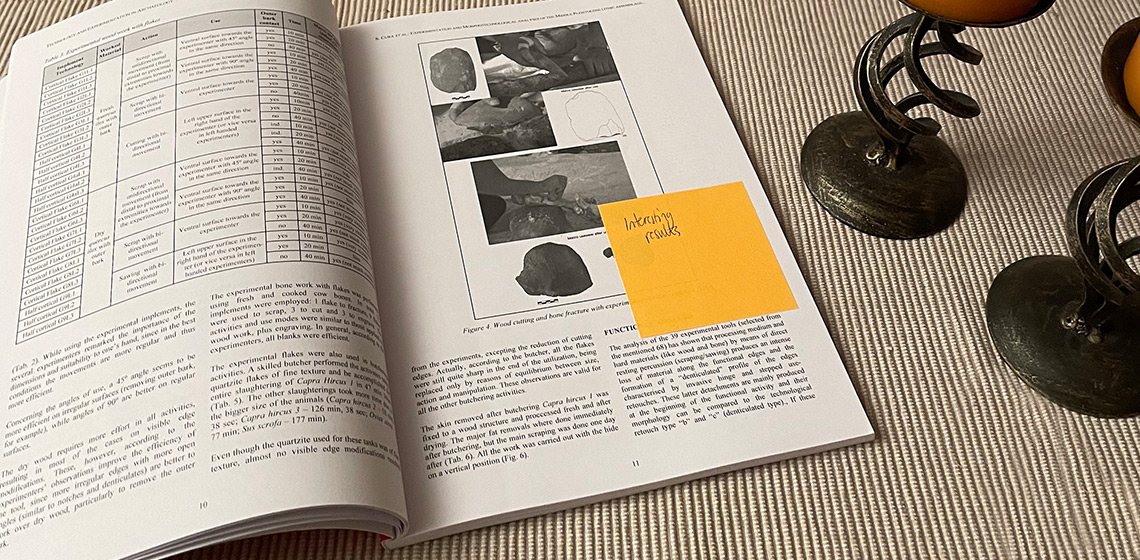
Book Review: Technology and Experimentation in Archaeology by Sara Cura et al.
Publication Date
Are chaîne opératoire, technology, and experimental protocols and methodology keywords to your research interests? Technology and Experimentation in Archaeology provides international perspectives and excellent case studies on those very subjects...
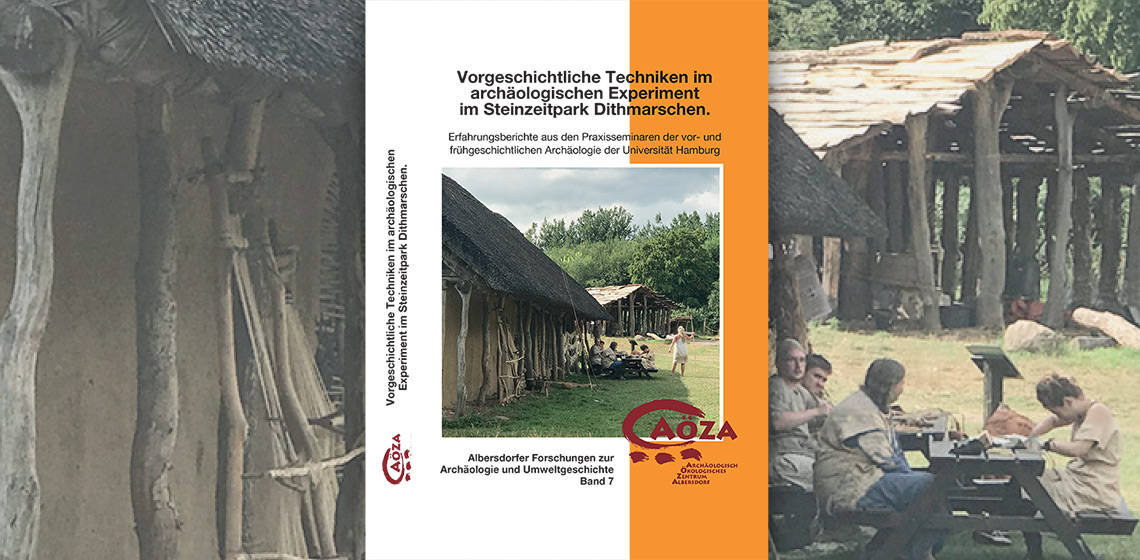
Book Review: Vorgeschichtliche Techniken im Archäologischen Experiment im Steinzeitpark Dithmarschen by Rüdiger Kelm and Birte Meller (ed.)
Publication Date
The Archaeological Institute of Hamburg University has been offering courses to students in the field of “Experimental Archaeology and Museum Pedagogy”, for over 15 years. These courses take place annually at the Archaeological/Oekological Center Albersdorf (AÖZA)...