The content is published under Creative Commons Attribution 4.0 International license (CC BY 4.0).


Looms and Weaving
Featured

A New Tablet Weaving Technique from Bronze Age Hallstatt
Author(s)
Kayleigh Saunderson 1,3 ✉,
Anna Zimmermann1,2,
Karina Grömer 1,3
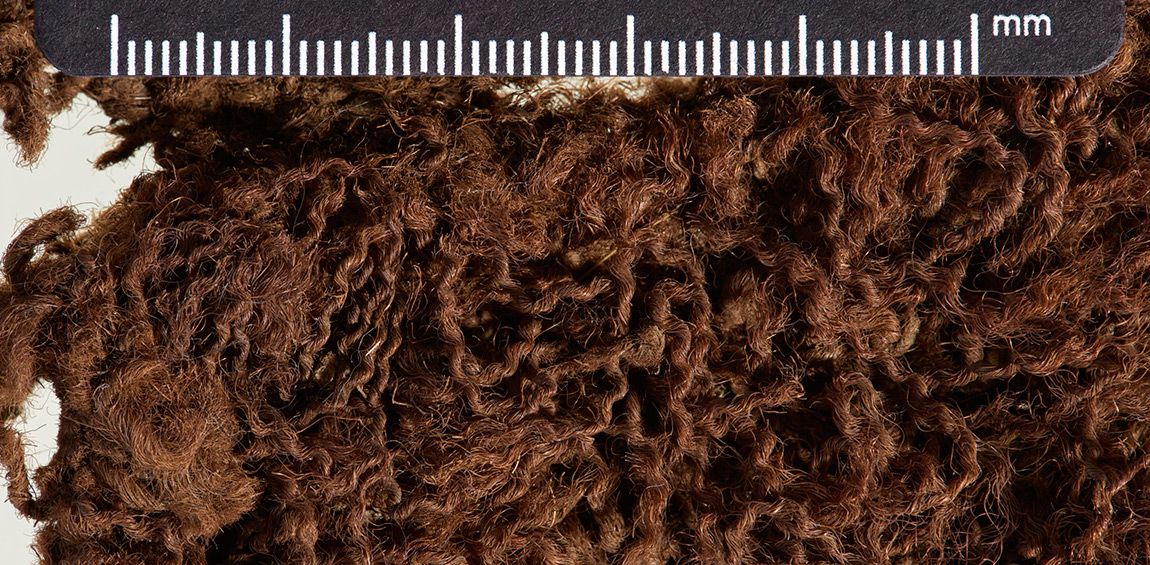
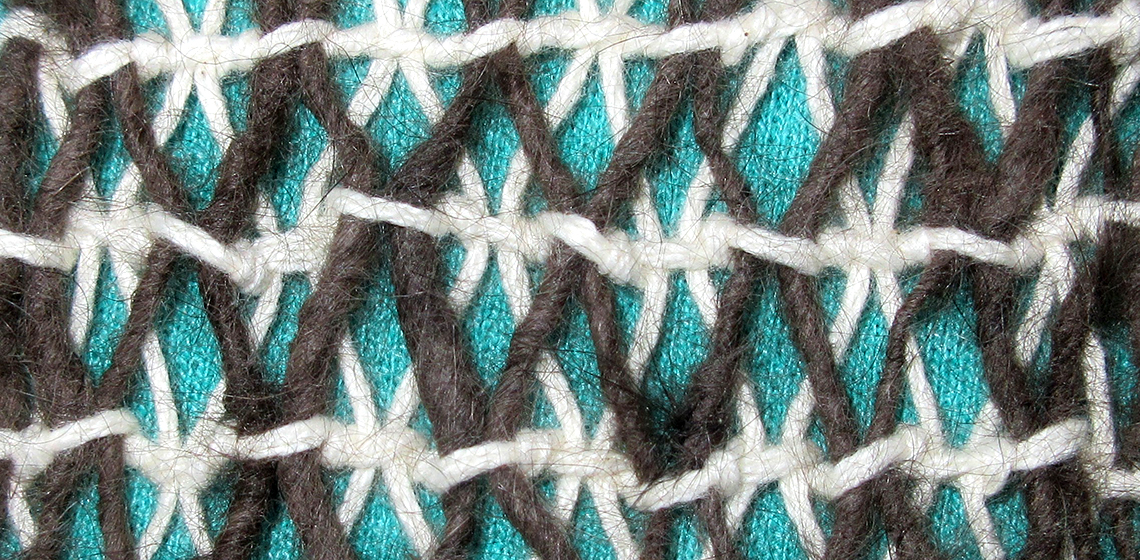
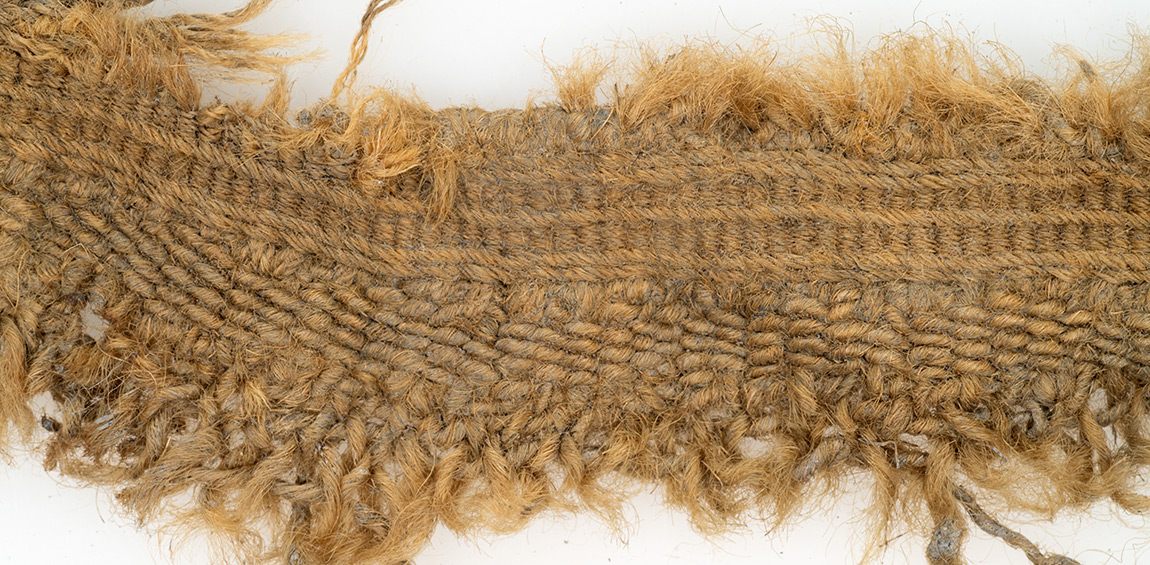
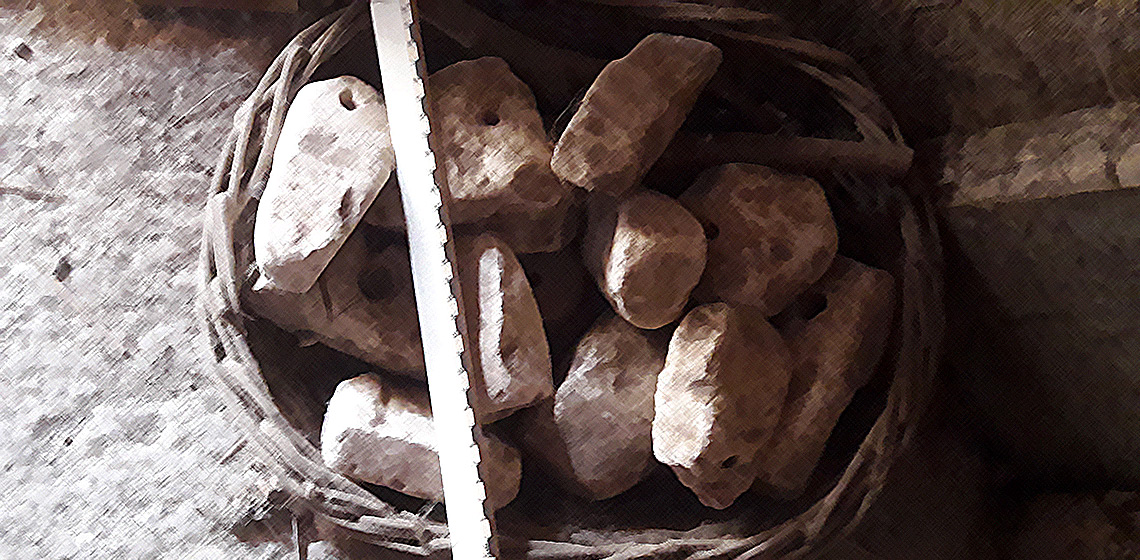
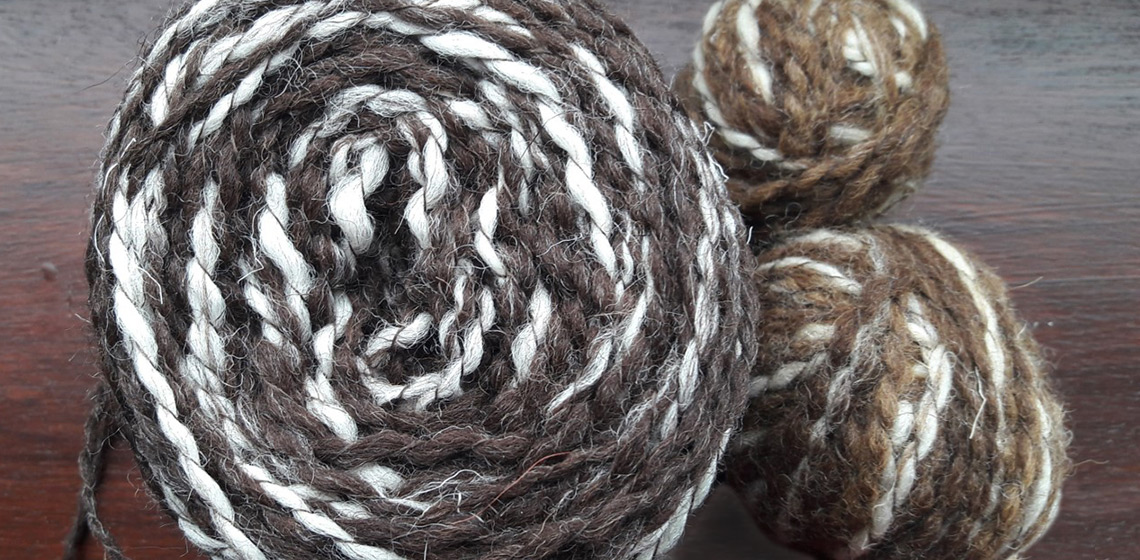
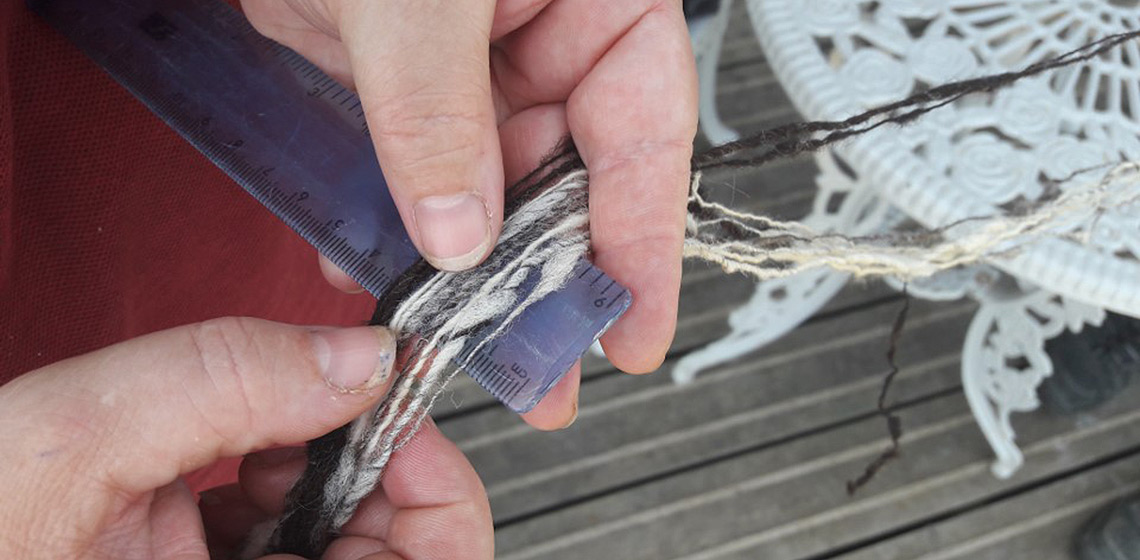
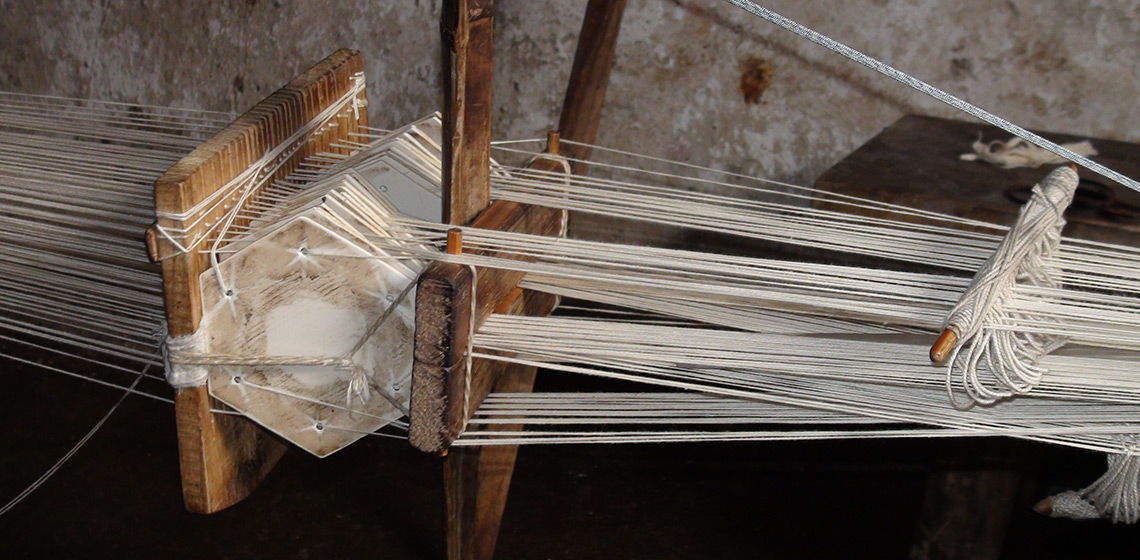
The salt mines of Hallstatt, Upper Austria, bear some of the most significant evidence for our understanding of textile culture in the Late Bronze and Early Iron Age in Central Europe due to the exceptional preservation of these finds. Following recent excavations, a new textile, HallTex 390, from the Late Bronze Age “Tuschwerk” mine has revealed multiple previously unknown features, techniques, and a peculiar design: two typical Bronze Age fabrics connected with an unusual ribbon with a ribbed structure, combining twisted and tabby-structured threads of different diameters. While comparisons for similar techniques from Denmark are discussed, this technique is quite unique for Bronze Age Central Europe. Only through experiments were we able to fully understand the textile, which seems to have consisted of tablet weaving with tablets threaded with either two or four threads while simultaneously using the weft as a sewing thread to connect the ribbon to the other textiles. This produced results comparable to the original while also revealing how efficient these Bronze Age craftspeople’s design choices were.

Shaping Minoan Clay Tablets and Hanging Nodules: Contributions from Experimental Research and X-radiography

Author(s)
Ina Berg 1
Publication Date
This paper investigates the potential for experimental archaeology and X-radiography to improve our understanding of the manufacture and use of two categories of prehistoric Cretan administrative clay objects: clay tablets and hanging nodules. The results are encouraging: the simple and three-fold tablet shaping techniques can be distinguished confidently, incised writing that was erased can, potentially, be made visible again and...

Is it Possible to Weave 8.end Satin with 5 Rods on a Warp-weighted Loom?

Author(s)
Antoinette M. Olsen 1
Publication Date
Back in 2020, I wrote an article entitled The Shroud of Turin and the Extra Sheds of Warping Threads (Olsen, 2020). When I was studying the weaving theory, I realised that it might be possible to weave 8-end satin with five rods on the warp-weighted loom. To date, I have not encountered any historical find showing satin woven on a warp-weighted loom...

Tarquinia’s Tablets: a Reconstruction of Tablet-Weaving Patterns found in the Tomb of the Triclinium

Author(s)
Richard Joseph Palmer 1
Publication Date
Within textile Archaeology several key Etruscan sites provide experimental archaeologists with ample evidence for research and recreation. This project aims to look a the textile patterns themselves, and how these weavers might have created the images found on famous Etruscan paintings...

Experimental Weaving and Twining with Ceramic Crescents from the Late Neolithic and Chalcolithic in Southwestern Iberia
Author(s)
Victoria Priola1
Publication Date
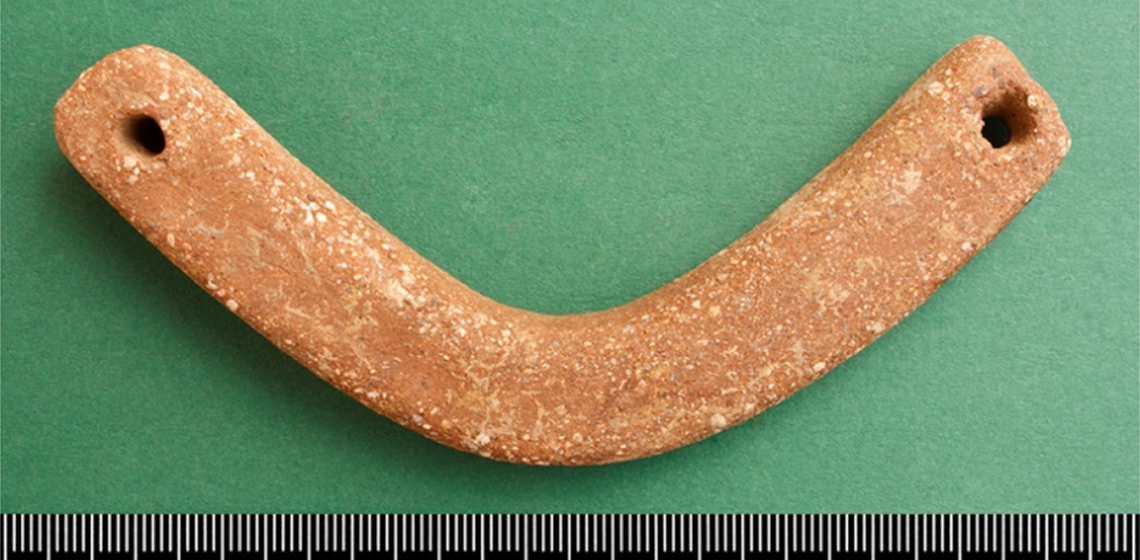
Ceramic crescents are a common find at Late Neolithic and Chalcolithic sites in southwestern Iberia (late fourth – third millennium BC). These objects, which often weigh less than 100 g and are perforated on each end, are typically referred to as loom weights and thought to be associated with textile production, although their function remains uncertain...

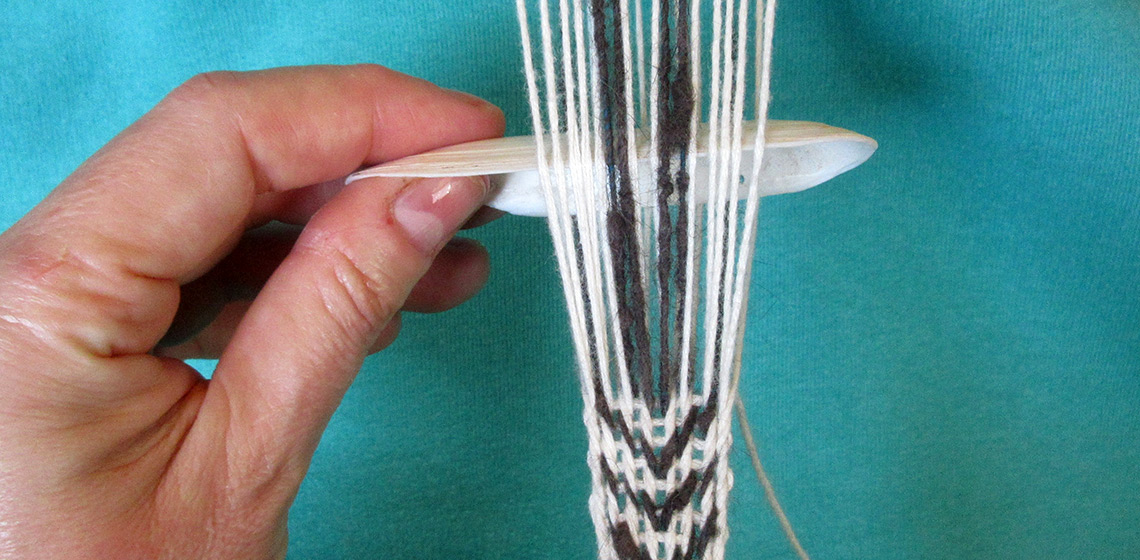
Function Follows Form: Assessing the Functionality of Shells and Greenstone Shell Effigies as Formative Period Mesoamerican Textile Fabrication Tools, Part 1: Tagelus plebeius Atlantic Stout Razor Clam Shells
Author(s)
Billie J. A. Follensbee 1
Publication Date
Although the importance of textiles in Mesoamerica from the Classic period (AD 250-900) onward is well-recognised, until recently little research or exploration of earlier Mesoamerican textile production has been conducted. This paucity of scholarship is attributable predominantly to the scant preservation of perishable ancient tools and textiles...

A Tablet Woven Band from the Oseberg Grave: Interpretation of Motif and Technique
Author(s)
Bente Skogsaas 1
Publication Date
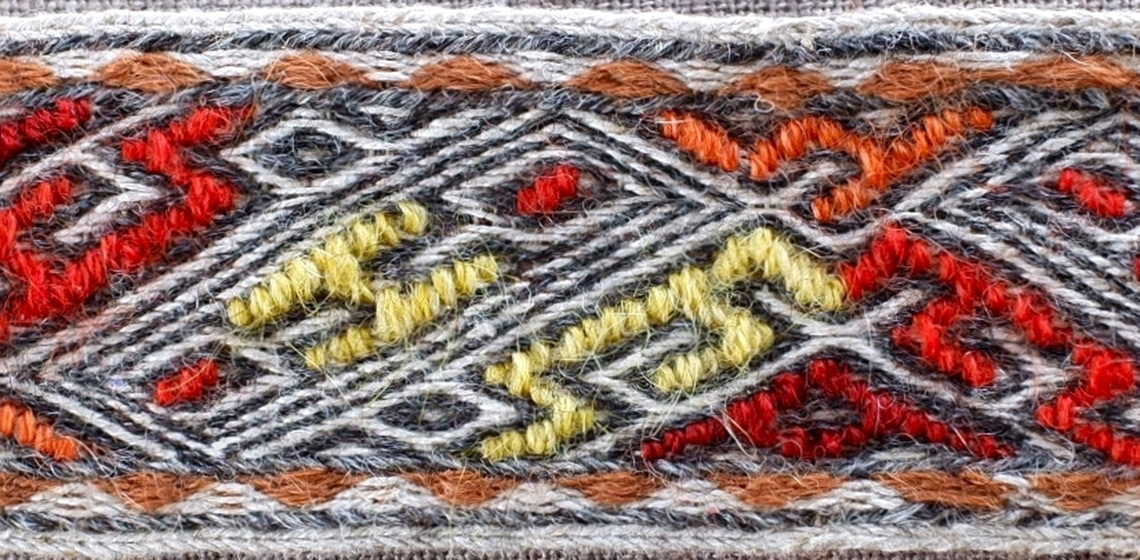
In this article, the intention is to show the documentations behind the reconstruction of a tablet woven band from the Oseberg discovery catalogued as 13B2. Parts of the band are well preserved, and it is possible to interpret motifs and techniques with considerable confidence. Some parts are poorly preserved and are not possible to interpret clearly...

Ancient Greek Weaving, Experimental Archeology on Greek Textiles and Household GDP
Author(s)
Richard J. Palmer 1
Publication Date
#EAC12 World Tour 2021
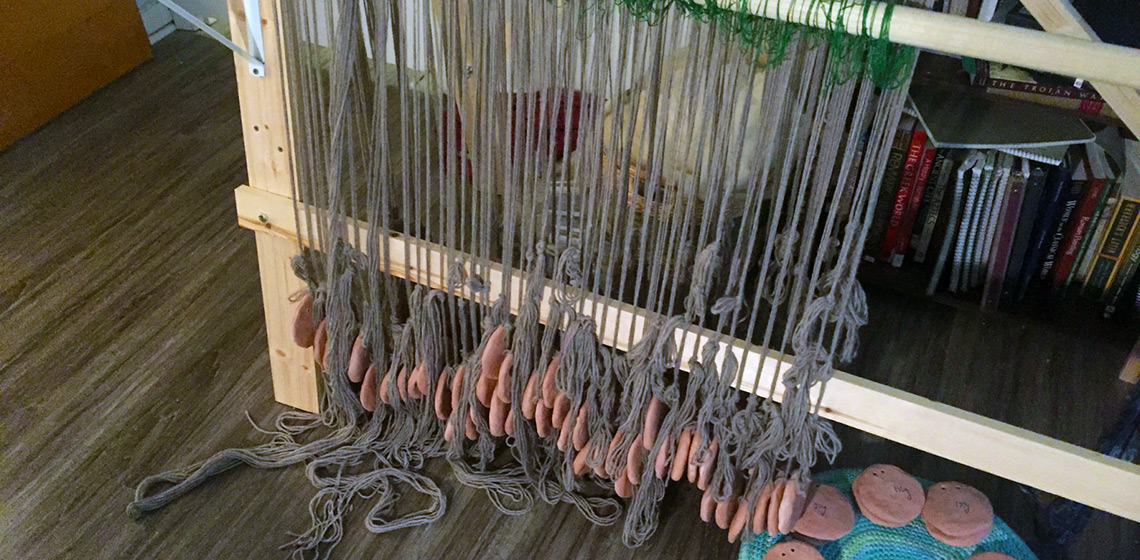
***This paper outlines the experimental weaving project of an ancient Greek chlamys to investigate the weaving production capacity of a typical household and reconstruct women’s contribution to household GDP in ancient Greece. While some scholars have researched finer textiles and tech-niques based on visual evidence...

More Testing of Mesoamerican Lunate Artifacts as Possible Loom Weights, that also Functioned as Twining Tools
Author(s)
Billie J. A. Follensbee 1
Publication Date
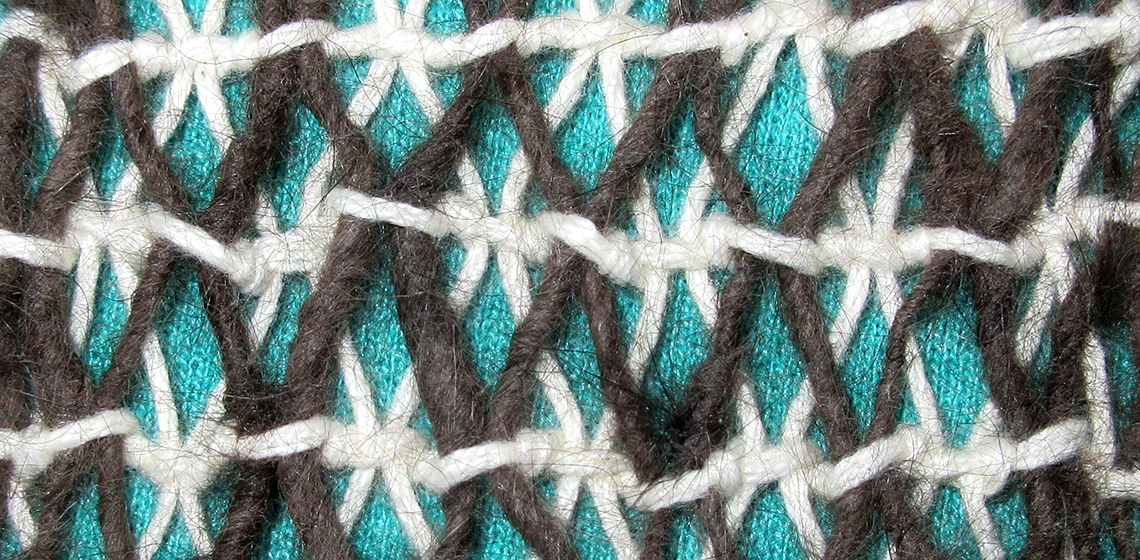
In previous replication studies and experiments, a lunate jade artifact from the Pre-Classic/Formative period (1500 BC-AD 250) of Mesoamerica was analysed, researched, and tested for its similarities to the crescent weight, a specialized type of loom weight found in ancient Central and Southern Europe. These analyses successfully established that...

A Discussion on the Position of Weaving in the Society of Prehistoric Britain
Author(s)
Helen Poulter 1,2
Publication Date
There have been several recent experiments on using warp-weighted looms in Demark, Italy and Greece, some in Roman houses (Andersson Strand, 2015; Dimova, 2016). The experiments, in particular those in Denmark and Netherlands, took place in the typical rectangular longhouses used in their respective prehistories, unlike 'Britain's predominant roundhouses...

Just how practical is it to Move a Warp-weighted Loom from between the Interior and Exterior of a Roundhouse?
Author(s)
Helen Poulter 1,2
Publication Date
An experimental programme at Butser Ancient Farm run between 2015 and 2017 was to investigate weaving within a roundhouse on a warp-weighted loom. Part of these investigations was an examination into the feasibility of moving the loom in and out of the house, to take advantage of the longer daylight available in summer...

Weaving Production in Butser Ancient Farm Roundhouses in the South of England
Author(s)
Helen Poulter 1,2
Publication Date
From 2015 to 2017 a series of weaving experiments using warp-weighted looms were conducted in the roundhouses at Butser Ancient Farm. The aim was to focus on the working environment within the roundhouse and to assess any potential issues that may occur whilst weaving, including benefits. The results of the research would also assist in evaluating any seasonal patterns which cause productivity to...

A Shared Warp: The Woven Belts of the Lao Han People, China
Author(s)
Celia Elliott-Minty 1
Publication Date

The renowned weaver Peter Collingwood briefly mentioned such belts in his book The Techniques of Tablet Weaving (Collingwood, 1982, pp.219-220). Not long before he died in 2008, he contributed a couple of pages on these belts to the book Minority Textile Techniques: Costumes from South-West China (Collingwood, 2007, pp.28-29). 

An Experiment with the Warp-weighted Loom and Heavy Loom Weights. The Case of the Giant Refractory Ceramic “Doughnuts” from North Piedmont, Italy
Author(s)
Lorena Ariis 1
Publication Date
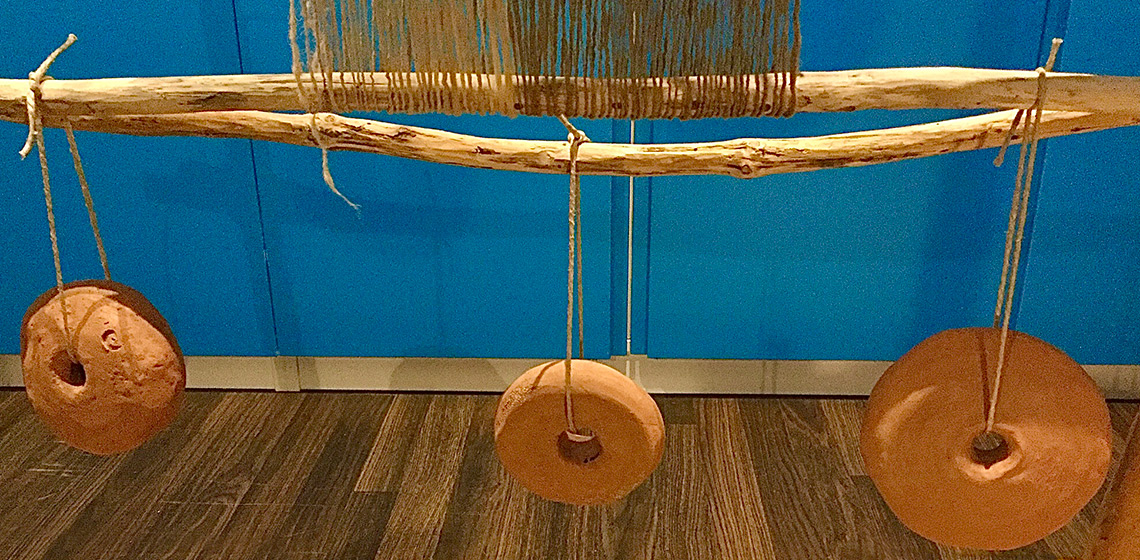
Heavy, doughnut-shaped, loom weights made of refractory clay are often found in excavations of Roman and Late Roman settlements in North Piedmont. Unfortunately, they are not found in situ with a weaving loom. We have interpreted them as having been specifically designed for use on a warp weighted loom with a lower mobile beam which is weighed down by a few heavy loom weights...

The Shroud of Turin and the Extra Sheds of Warping Threads. How Hard can it be to Set up a 3/1 Chevron Twill, Herringbone on a Warp-weighted Loom?
Author(s)
Antoinette Merete Olsen 1
Publication Date
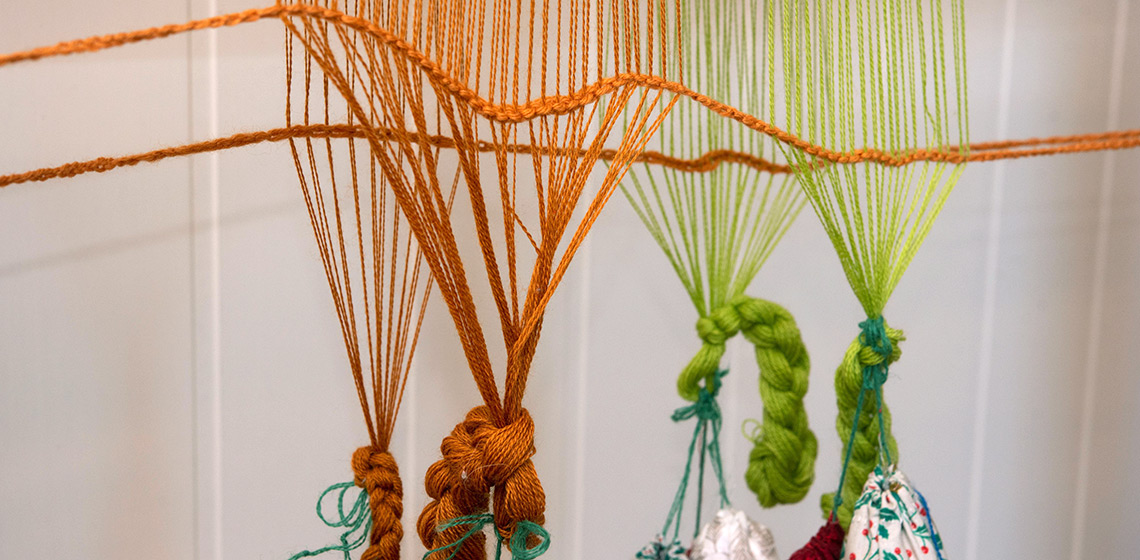
On the 10 May 2020, Mr. Hugh Farey sent me an email. He introduced himself as “a researcher into the weaving of the linen cloth known as the Shroud of Turin”. Then he described the size of the Shroud and how it looked. His question to me was this: “If you had a piece of cloth as described and looked at it closely, could you tell if it was made by a warp-weighted or treadle loom, or would there be no difference?”...

Groundstone Indications from the Southern Levant for a 7th Millennium BCE Upright Mat Loom
Author(s)
Janet Levy 1
Publication Date
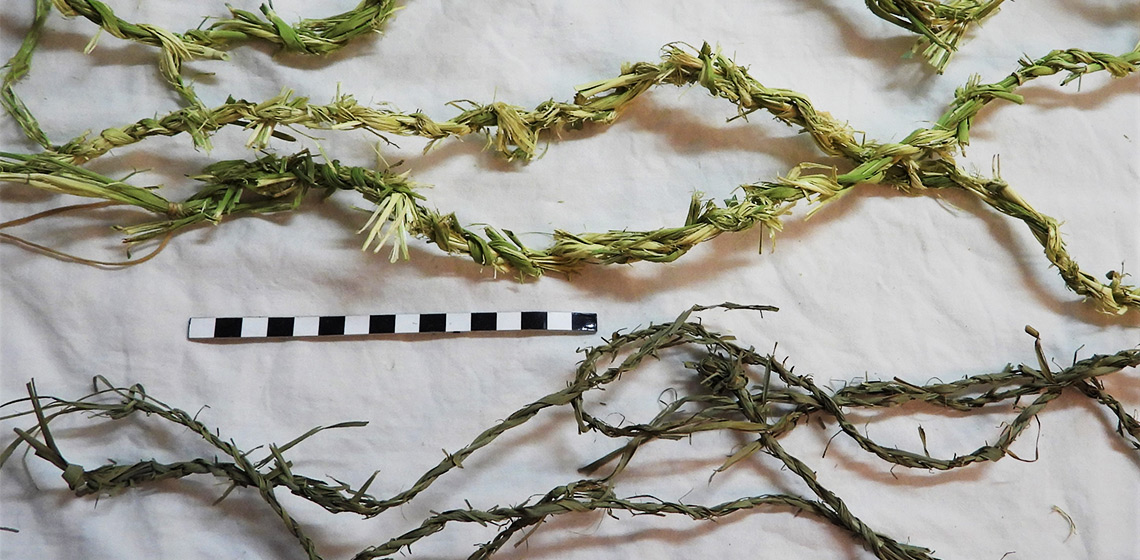
The southern Levant features a long-established matting tradition: soumak (weft wrapping) and also weft twined matting from the 10th millennium BC, and coiled matting from the 8th millennium BCE. The Chalcolithic period, 5th millennium BCE, attests to the introduction of plain plait, twill, sewn through techniques and also the use of the horizontal ground mat loom...

Testing Mesoamerican Lunate Artifacts as Possible Crescent Loom Weights
Author(s)
Billie J. A. Follensbee 1
Publication Date
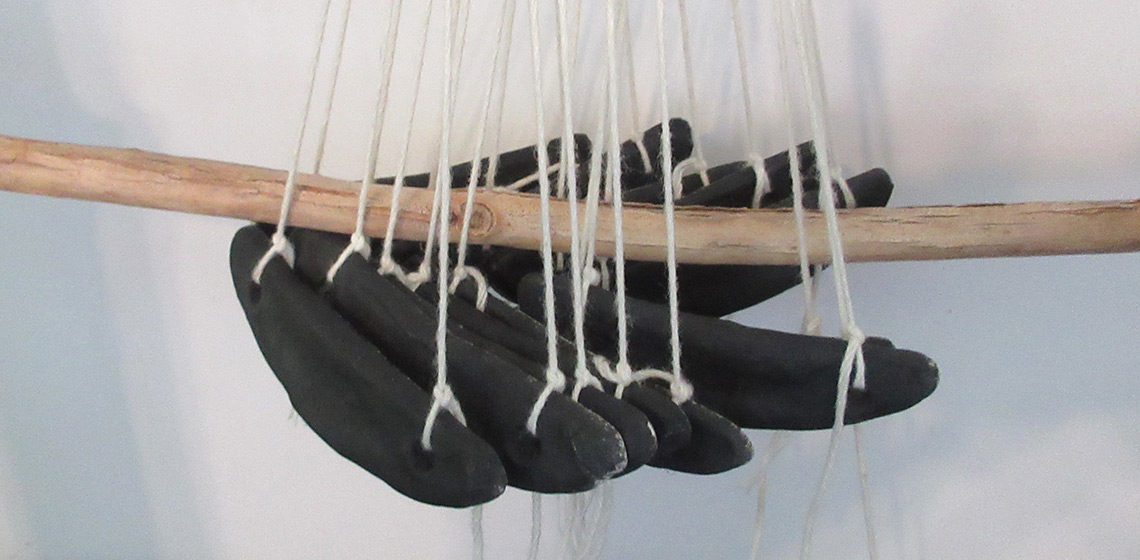
While the importance of textiles in Mesoamerica from the Classic period (AD 250-900) onward is well-recognized, scholars have conducted little exploration of earlier Mesoamerican textile production. This lack of scholarship may be attributed in great part to the scant preservation of perishable textiles and tools from ancient times. New sources of information have been recognized, however...

Replication of a Maori Ethnographic Textile Hem Border Pattern
Author(s)
Lisa McKendry 1
Publication Date
11th EAC Trento 2019
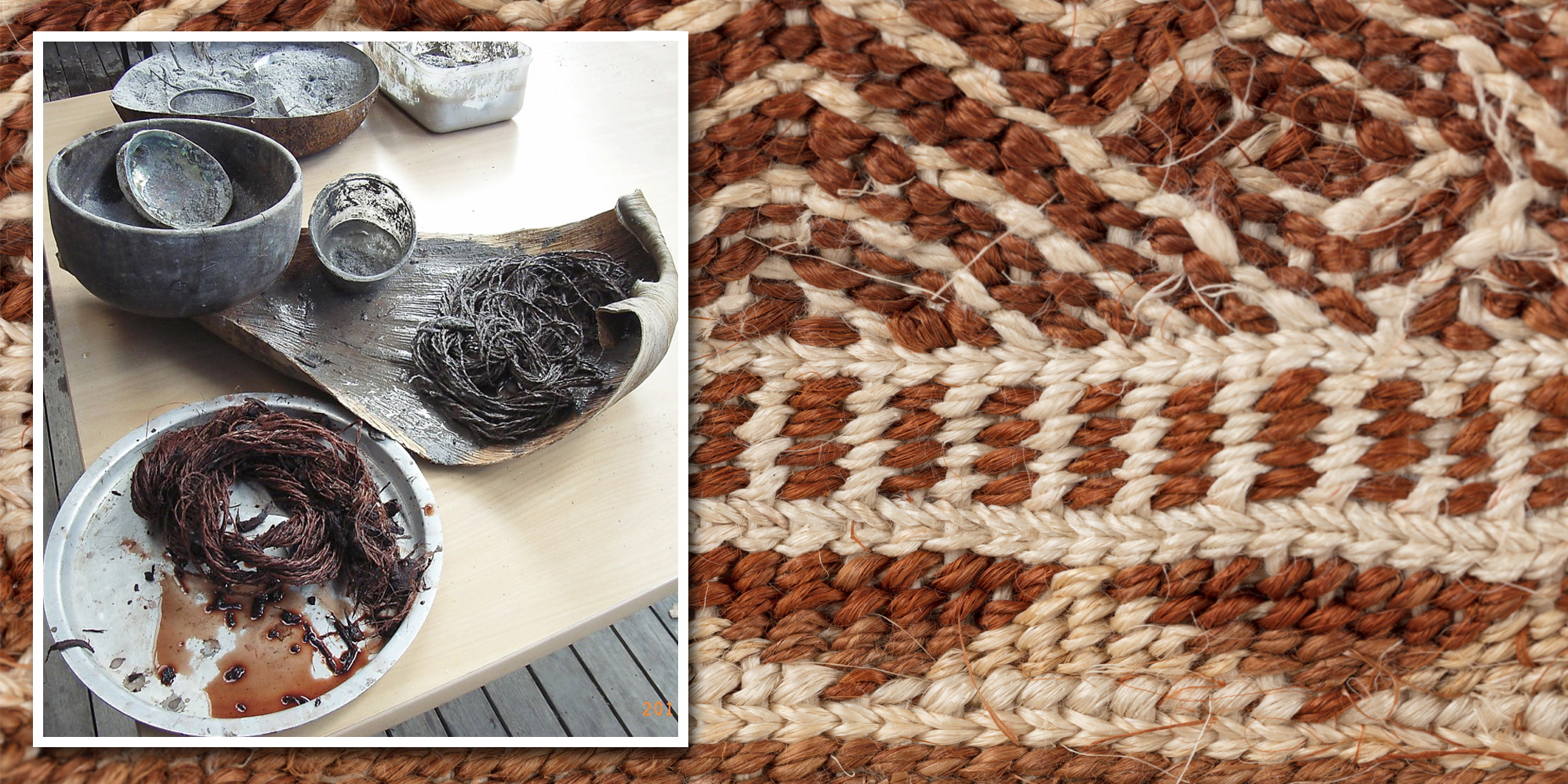
***Replication of archaeological and ethnographic Māori textiles, under the direction of customary knowledge and previous practical experience, can provide a more nuanced understanding of the manufacture of taonga (treasures) made from fibre materials. A case study is presented here from the unique perspective of a weaver who...

Understanding the Archaeological Record: Reconstructing a Warp-Weighted Loom
Author(s)
Tena Karavidović 1 ✉,
Tajana Sekelj Ivančan 1
Publication Date
10th EAC Leiden 2017
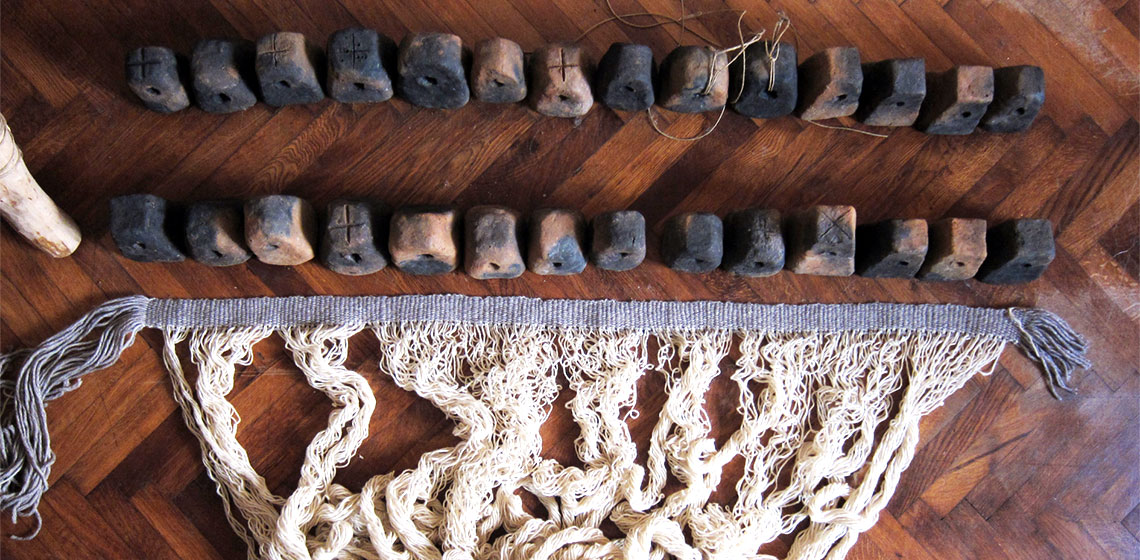
***The paper deals with a reconstruction of a warp-weighted loom based on a rare find of 36 in situ loom weights in an object interpreted as a weaving hut at an archaeological site Virje-Sušine in Northern Croatia dated in late Iron Age (La Tène C period, 2/2 3rd – 2/2 2nd century BC)...