
(re)construction
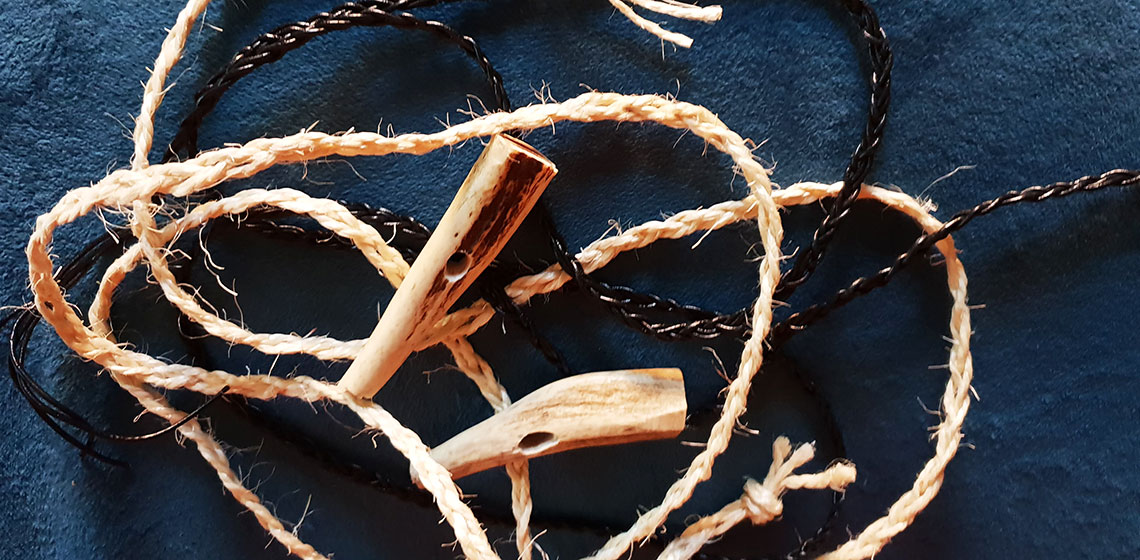
Let’s Do the Tine Warp Again: Reconstructing a Late Bronze Age Bridle from Moynagh Lough, County Meath, Ireland
Publication Date
Both before and after the Irish Late Iron Age (AD 50 - 400) there is an exceptional paucity of knowledge regarding equitation in Ireland. We know that equids are present during prehistory, but basically nothing about their use. This paper documents the reconstruction and use of an organic bridle, based on a possible Late Bronze Age cheek-piece found at Moynagh Lough, Co. Meath.
From Gastonia to Gotha: My Thoughts and Impressions on doing Museum Work
Publication Date
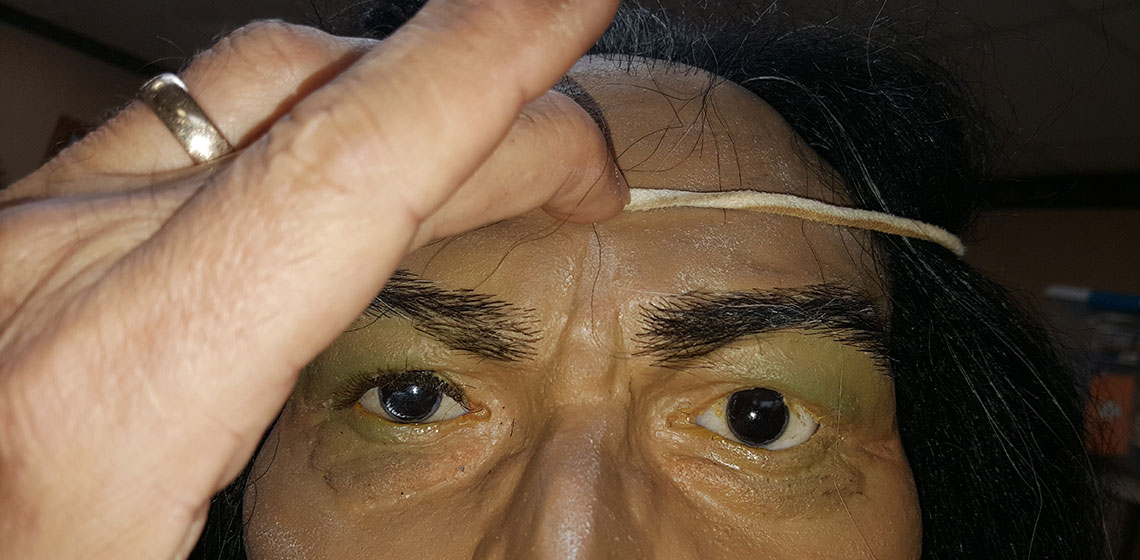
What I consider my first real museum work came from a message on my phone on January 9th from Ann Tippitt, the Director of the Schiele Museum in Gastonia, North Carolina. Ann asked if I was interested in outfitting a Catawba Indian mannequin for the exhibit. Ann wanted a complete set of clothes, weapons and gear...
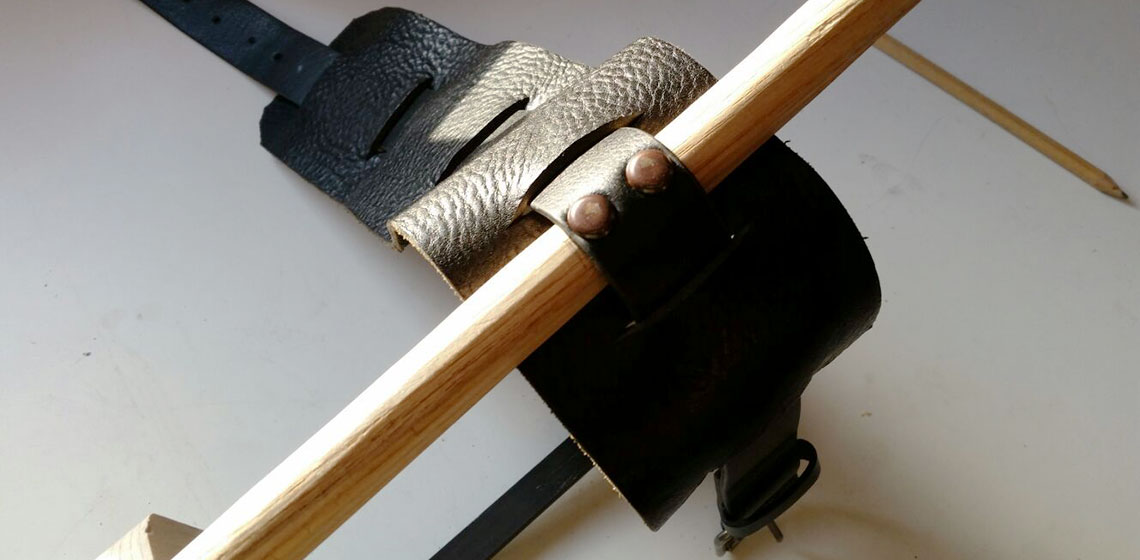
Experimental Reconstruction of a Nineteenth Century Lower Limb Prosthetic Peg Leg – The Box Leg
Publication Date
10th EAC Leiden 2017
***Scientific attempts to understand early prosthesis manufacturing techniques are rare. The academic research of artificial limbs has been limited to the historical analysis of documentary sources. This area still remains a fairly under-researched topic even under the more recent developments of disability studies (Childress, 1985)...
***Scientific attempts to understand early prosthesis manufacturing techniques are rare. The academic research of artificial limbs has been limited to the historical analysis of documentary sources. This area still remains a fairly under-researched topic even under the more recent developments of disability studies (Childress, 1985)...
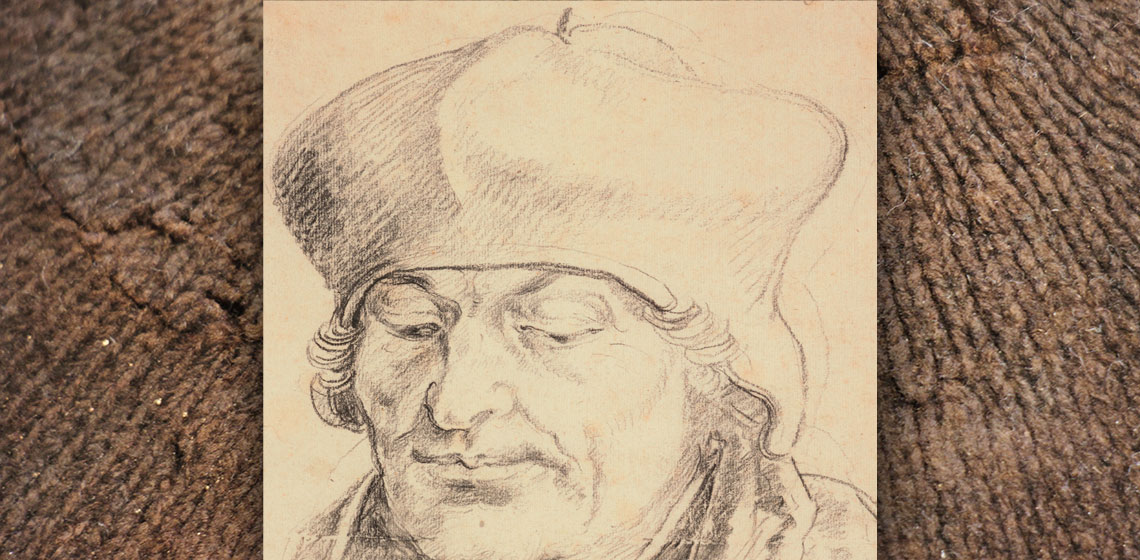
Some Uses of Experiment for Understanding Early Knitting and Erasmus' Bonnet
Publication Date
10th EAC Leiden 2017
***Of Erasmus, prince of humanists (1466?-1536), no less than eight portraits from life survive – all eight in the exact same bonnet. A recently published investigation of this iconic garment (Kruseman, Sturtewagen and Malcolm-Davies, 2016) involved establishing a 250-year typology of the bonnet from iconographical sources, compiling technological and economic data from archival sources, and systematic experiments addressing numerous, various and fundamental questions, from yarn characteristics in archaeological knitted textiles to the use (or not) of hatter's forms in the finishing of bonnets.
***Of Erasmus, prince of humanists (1466?-1536), no less than eight portraits from life survive – all eight in the exact same bonnet. A recently published investigation of this iconic garment (Kruseman, Sturtewagen and Malcolm-Davies, 2016) involved establishing a 250-year typology of the bonnet from iconographical sources, compiling technological and economic data from archival sources, and systematic experiments addressing numerous, various and fundamental questions, from yarn characteristics in archaeological knitted textiles to the use (or not) of hatter's forms in the finishing of bonnets.
A Seventh Century BC Picenian Cloack Clasp Made of Iron, Bone, Bronze and Amber: Reconstruction of a Masterpiece
Publication Date
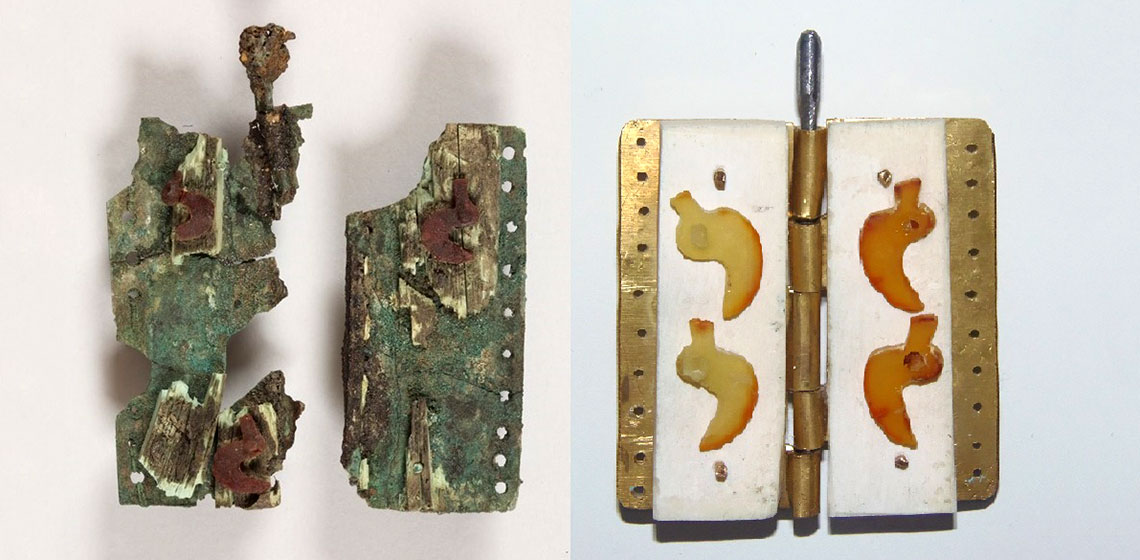
This article is dedicated to the reconstruction I’ve done in 2017 of a Picenian cloack clasp which is a pretty unique find. It has been found in a prince’s grave dating back to the early 7th Century b.C. and is considered a rare find because only a few similar items have been found in Central Italy, and because of the rare use of amber decorations and bronze plates, that makes this find a true masterpiece...
Kernave Archaeological Site – the Place for Experimental and Living Archaeology
Publication Date
2018 EXARC in Kernave
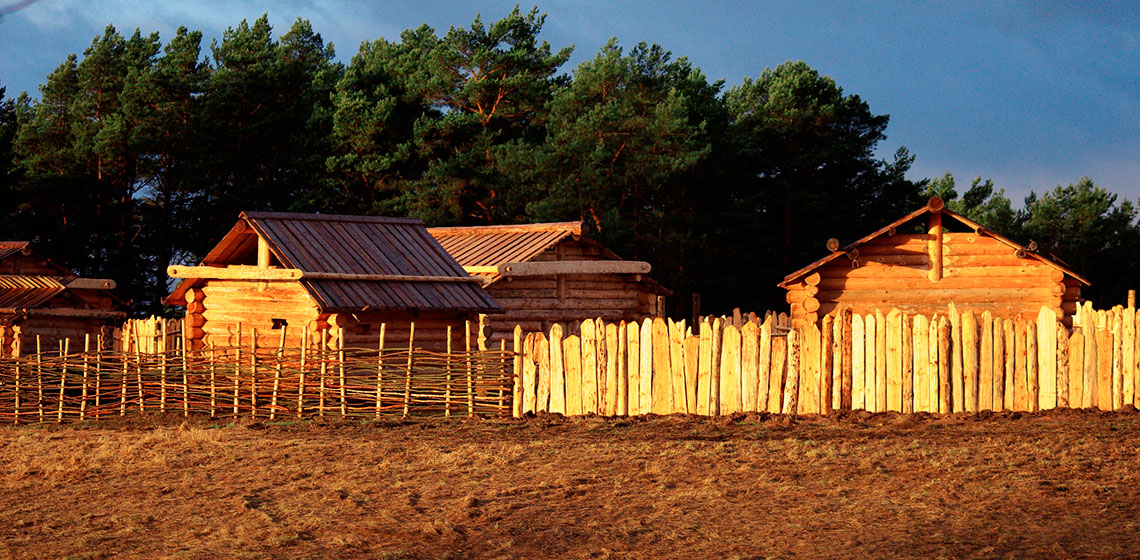
***Kernavė is one of the most picturesque places in Lithuania. Five hill-forts surround the wide valley of Pajauta. This place has always been visited by people not only for its sights but also for its aura of the distant past. Ever since people in Lithuania became more interested in history, Kernavė has been a symbol of...
***Kernavė is one of the most picturesque places in Lithuania. Five hill-forts surround the wide valley of Pajauta. This place has always been visited by people not only for its sights but also for its aura of the distant past. Ever since people in Lithuania became more interested in history, Kernavė has been a symbol of...
The Experimental Building of a Wooden Watchtower in the Carolingian Southern Frontier
Publication Date
10th EAC Leiden 2017
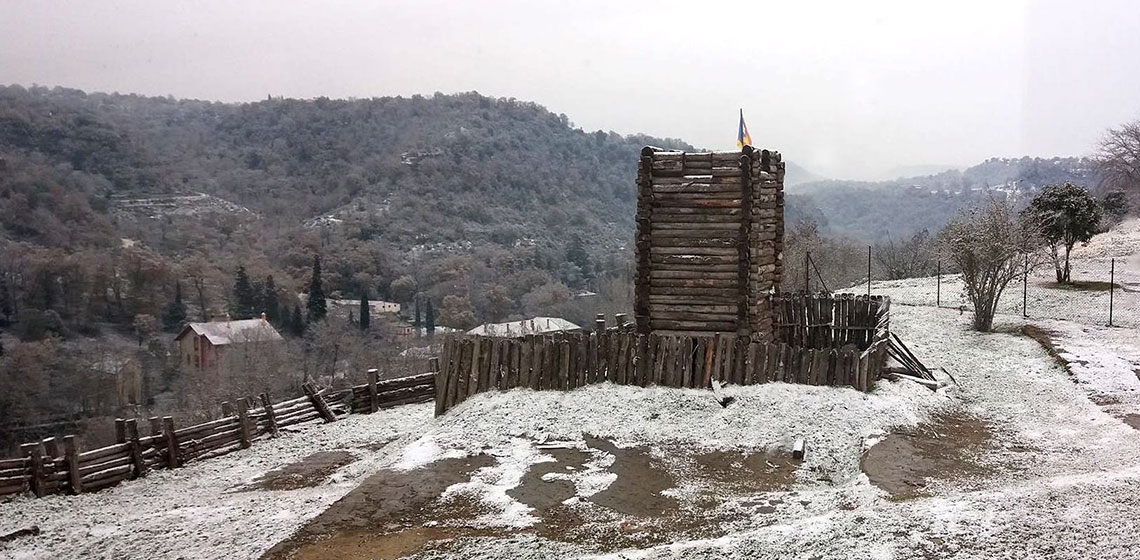
***During fifteen days of June 2015, the team of l’Esquerda worked in a research project to build a Carolingian wooden watchtower on the River Ter, in Roda de Ter, Catalonia, Spain. The idea was to test our hypotheses experimentally, (a) if the wooden watchtower could...
***During fifteen days of June 2015, the team of l’Esquerda worked in a research project to build a Carolingian wooden watchtower on the River Ter, in Roda de Ter, Catalonia, Spain. The idea was to test our hypotheses experimentally, (a) if the wooden watchtower could...
Event Review: Academic Workshop on Re-enactment, Replication & Reconstruction
Publication Date
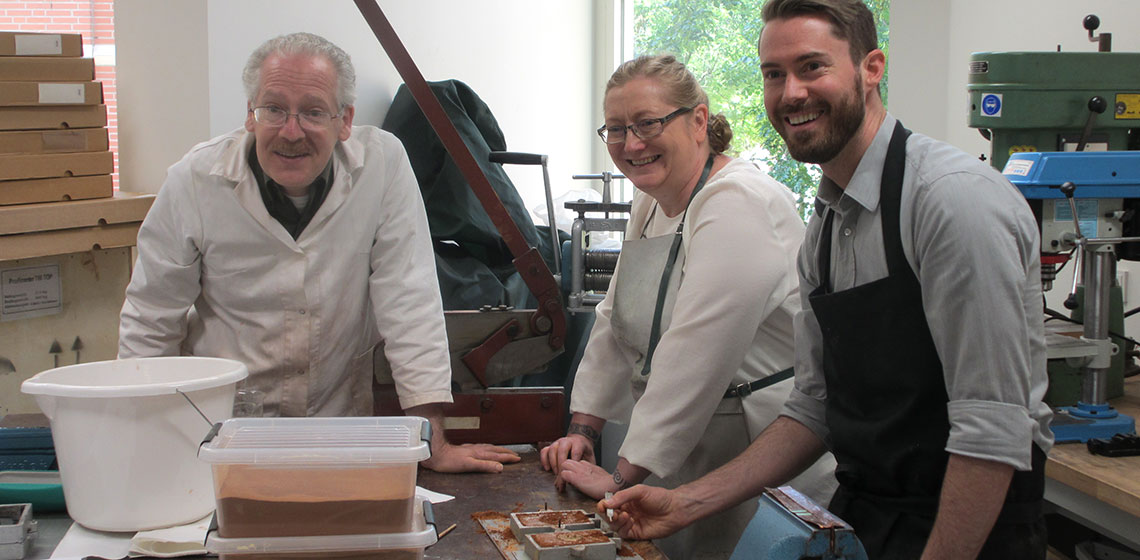
In early June 2017, an academic workshop took place in Leiden, the Netherlands, to stimulate research bridging the natural sciences with the humanities and social sciences. Forty-five international scientists joined from the fields of art history, archaeology, conservation, musicology and anthropology...
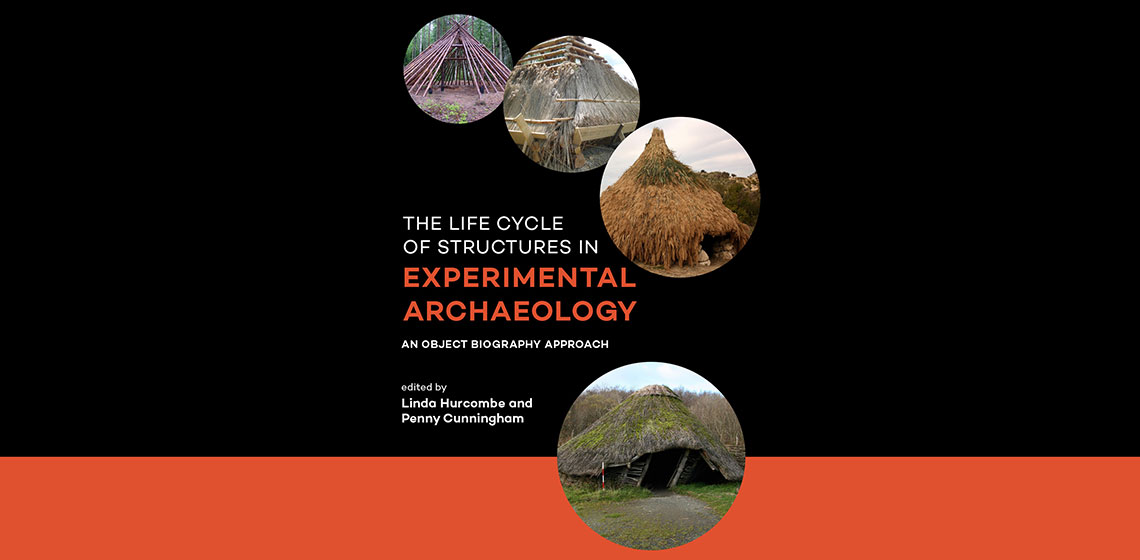
Book Review: the Lifecycle of Structures in Experimental Archaeology – An Object Biography Approach by L. Hurcombe and P. Cunningham
Publication Date
This book is made up of 16 papers that are a collection of results from a European Culture Project (OpenArch) that ran from 2010-2015. It was edited by Linda Hurcombe and Penny Cunningham. This work is dedicated to the late shipwright Brian Cumby, who was deeply involved with making replicas of several prehistoric boats...
The Potential for Open-Air Sites: a Diversified Approach in Emilia, Italy
Publication Date
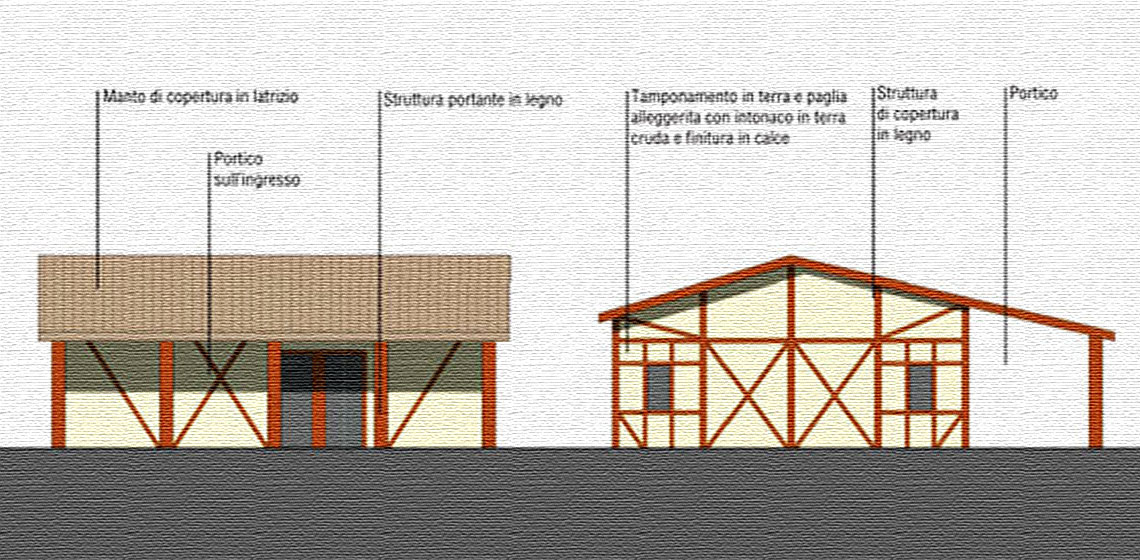
The development of open-air cultural heritage and archaeological areas is based upon their optimal safeguarding and management, and through the public awareness they generate. In this paper, considering different management issues and end goals, we will demonstrate how, through cooperation among specialized professionals, local authorities and ...