
wax
A Functional Reassessment of Roman Dodecahedra as Tools for Forming Standardised Wax Objects
Publication Date
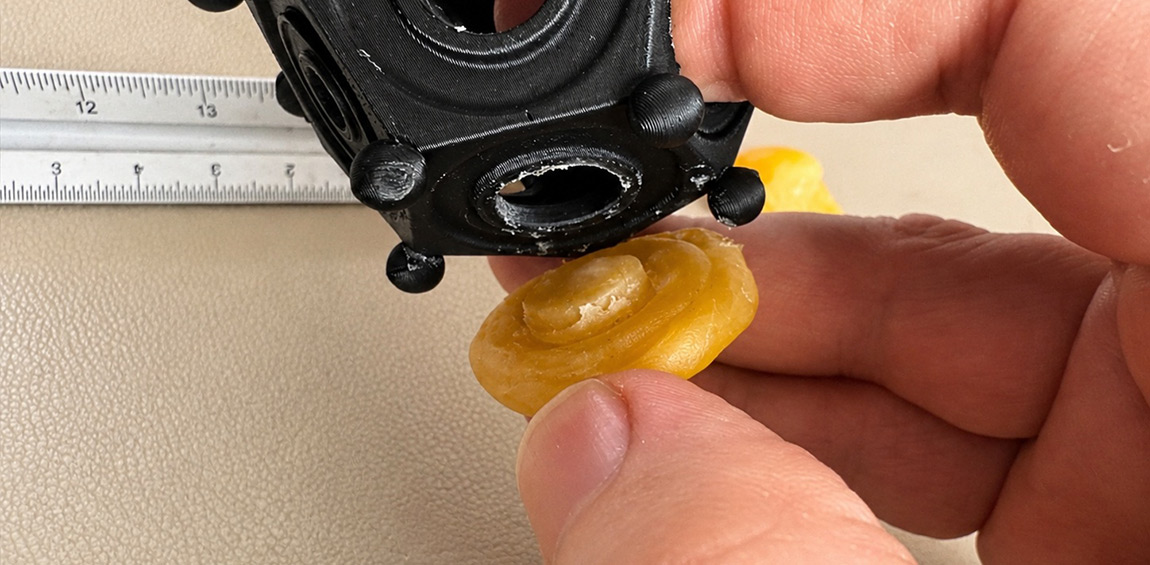
Roman dodecahedra are hollow bronze objects dating to the 2nd–4th centuries AD, predominantly found in the north-western provinces of the Roman Empire (Guggenberger, 2013). Despite extensive debate, their function remains undocumented in contemporary sources and unresolved archaeologically. This study applies experimental archaeology to reassess whether the form of the Roman dodecahedron is consistent with use as a practical tool in administrative contexts. This study tests the hypothesis that dodecahedra functioned as forming aids for the production of standardised wax elements - such as bullae or related wax objects - used to secure cords, mark documents, or support identification. Using 3D-printed replicas and historically plausible wax mixtures, a series of forming trials was conducted to evaluate how the object’s geometry interacts with material behaviour...
The Making of Roman Metal Ink Pen Nibs
Publication Date
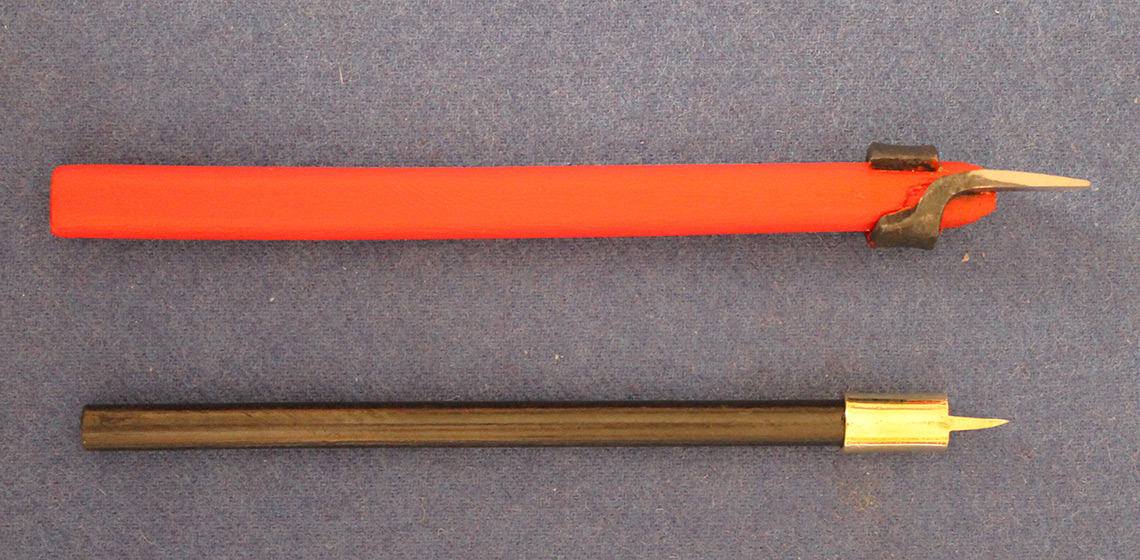
Roman ink pen nibs have been made from different materials such as bone, horn, reed, iron, and copper alloys. This article deals with experiments to reproduce Roman ink pen nibs made from copper alloy and iron.
A Short Guide to Making Wax Tablets
Publication Date
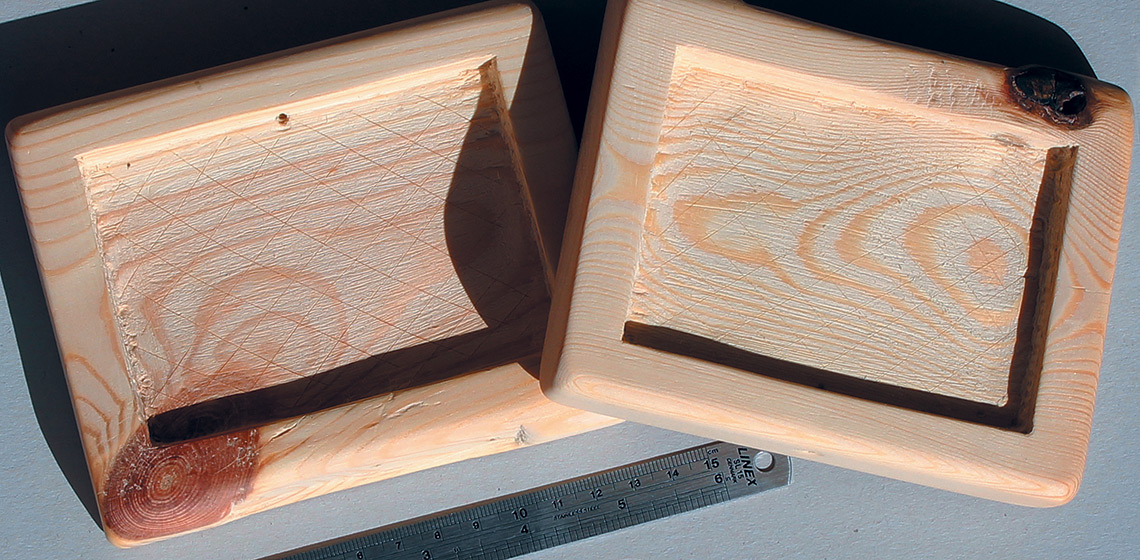
A few years ago, I conducted a series of experiments focusing on wax tablets as drawing tools in antiquity (Vlavogilakis, in press. All references to my earlier experiments with wax tablets refer to this paper). When this was over, I decided to create a diptych as a present. The method of making was inspired from examples of tablets and diptychs from different periods: Bronze Age...
From Wax to Metal: An Experimental Approach to the Chaîne Opératoire of the Bronze Disk from Urdiñeira
Publication Date
7th UK EA Conference Cardiff 2013
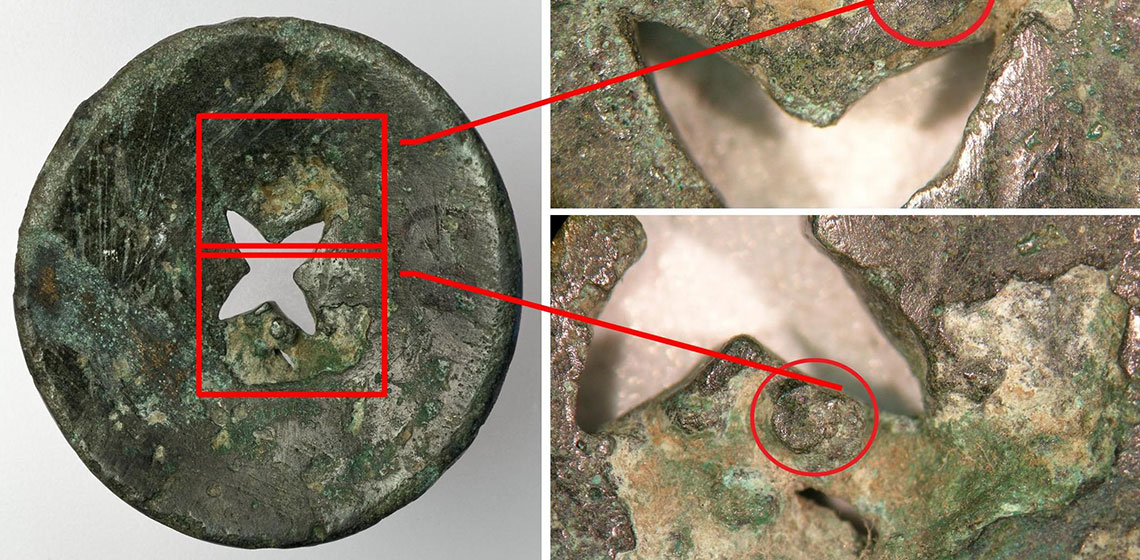
***The so-called ‘Treasure of A Urdiñeira‘ (A Gudiña, south-east of the province of Ourense, Spain) consists of an assemblage of three metal artefacts: two gold bracelets and a bronze button or disk, dated from the transition between the Late Bronze Age and the Early Iron Age...
***The so-called ‘Treasure of A Urdiñeira‘ (A Gudiña, south-east of the province of Ourense, Spain) consists of an assemblage of three metal artefacts: two gold bracelets and a bronze button or disk, dated from the transition between the Late Bronze Age and the Early Iron Age...
Scandinavian Iron Age and Early Medieval Ceramic Moulds - Lost Wax or Not or Both?
Publication Date
1999 Wilhelminaoord Workshop
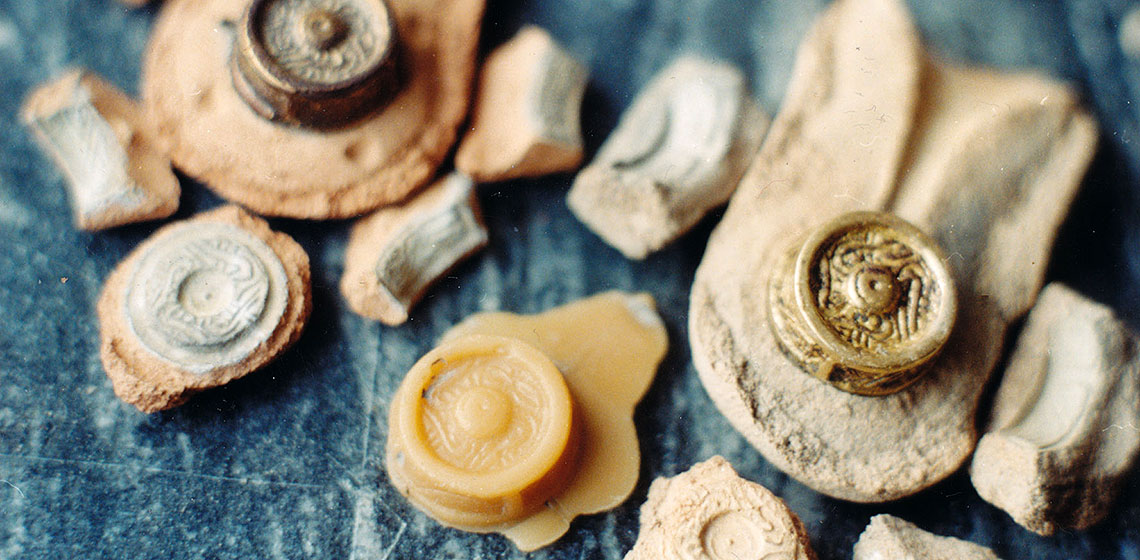
***Since the 1940s we have had a discussion in Scandinavia concerning ancient mould-making methods. The question of different methods in the production of ceramic moulds has taken a large part in these discussions; by lost wax or by direct matrix-methods...
***Since the 1940s we have had a discussion in Scandinavia concerning ancient mould-making methods. The question of different methods in the production of ceramic moulds has taken a large part in these discussions; by lost wax or by direct matrix-methods...
Precision Lost Wax Casting
Publication Date
1999 Wilhelminaoord Workshop
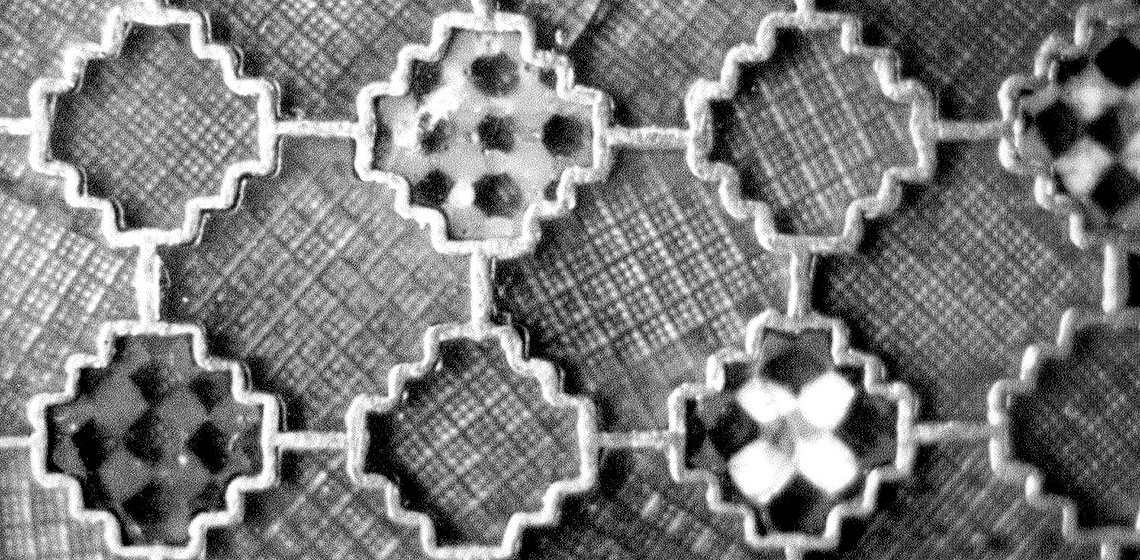
***The limits of precision casting were explored experimentally at the Bronze Casting Workshop at Wilhelminaoord, the Netherlands, by making wax models, moulds and lost wax castings using essentially early metalworking conditions. Geometrically patterned models of Dark Age type dies were used to...
***The limits of precision casting were explored experimentally at the Bronze Casting Workshop at Wilhelminaoord, the Netherlands, by making wax models, moulds and lost wax castings using essentially early metalworking conditions. Geometrically patterned models of Dark Age type dies were used to...