
wood
Preservation Biases in Polycyclic Aromatic Hydrocarbons and their Implications for Identifying Archaeological Fire Use
Publication Date
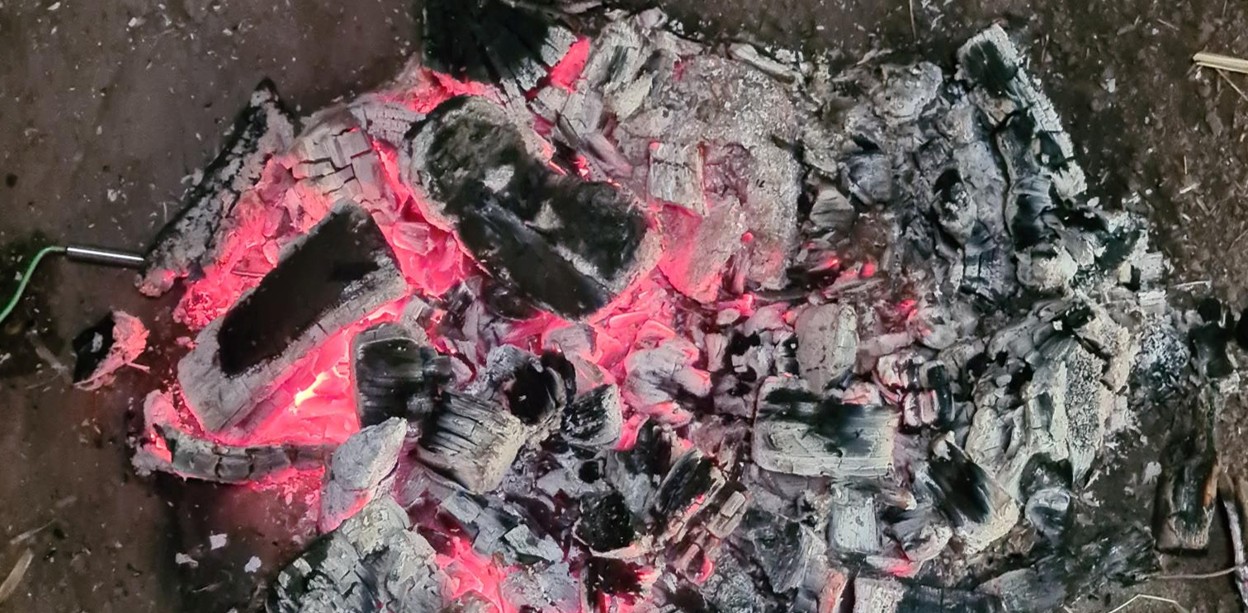
Polycyclic aromatic hydrocarbons (PAHs) are increasingly used to identify fuel sources, combustion conditions, and anthropogenic fire use in archaeological soils and sediments, yet the extent to which post‑depositional processes alter PAH profiles in archaeological combustion features remains poorly understood. This experimental study examines the short‑term preservation and taphonomic behaviour of PAHs within an experimentally produced Palaeolithic style hearth over a one‑year period. Fourteen controlled fires using wood, grasses, dung, and fresh bone were conducted in a semi‑enclosed prehistoric shelter, and soil samples were collected immediately after burning, then at 3‑month, 6‑month, and 12‑month intervals.
Lighting the Dark in The Palaeolithic: Examining Variation in Light between Different Wood Species Using a Randomised Firewood Collection Strategy

Publication Date
Light produced by fire was a crucial survival tool for Palaeolithic hunter-gatherers, enabling the occupation of deep caves and the extension of daylight hours. Previous research using standardised experimental protocols identified variations in the illuminance properties of different wood species, which could be utilised for various tasks as part of fuel selection strategies. However, these standardised experiments, which control for the size and state of the wood and hearth design, do not accurately reflect actual firewood collection and fuel management strategies employed by prehistoric hominins...
Making, Multi-Vocality and Experimental Archaeology: The Pallasboy Project
Publication Date
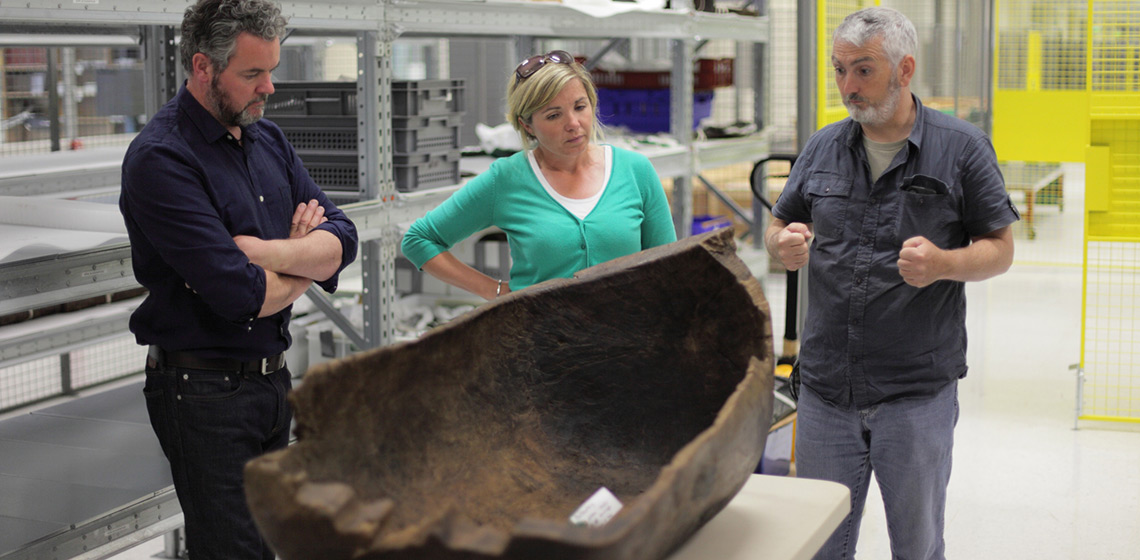
This paper outlines The Pallasboy Project, which set out to craft a replica of the eponymous Irish Iron Age wooden vessel. We consider the process and progress of the project, as it developed in a number of slightly unusual directions. The paper includes a description of the experimental work, alongside personal reflections and comments by...
The Mechanics of Splitting Wood and the Design of Neolithic Woodworking Tools
Publication Date
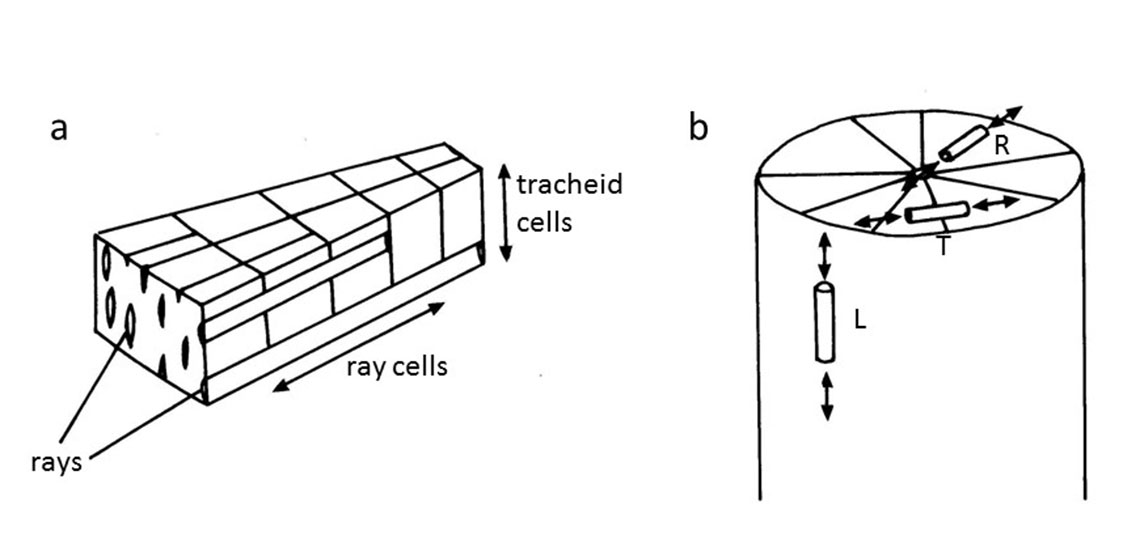
Because of the anisotropy of wood, trunks and branches can be vulnerable to splitting along the grain, especially radially. This fact was widely exploited in pre-industrial times, when wood was mostly cut and shaped by splitting it along the grain while still green, rather than by sawing...
Research, Experimentation and Outreach in the Early Neolithic Site of La Draga (Banyoles-Spain)
Publication Date
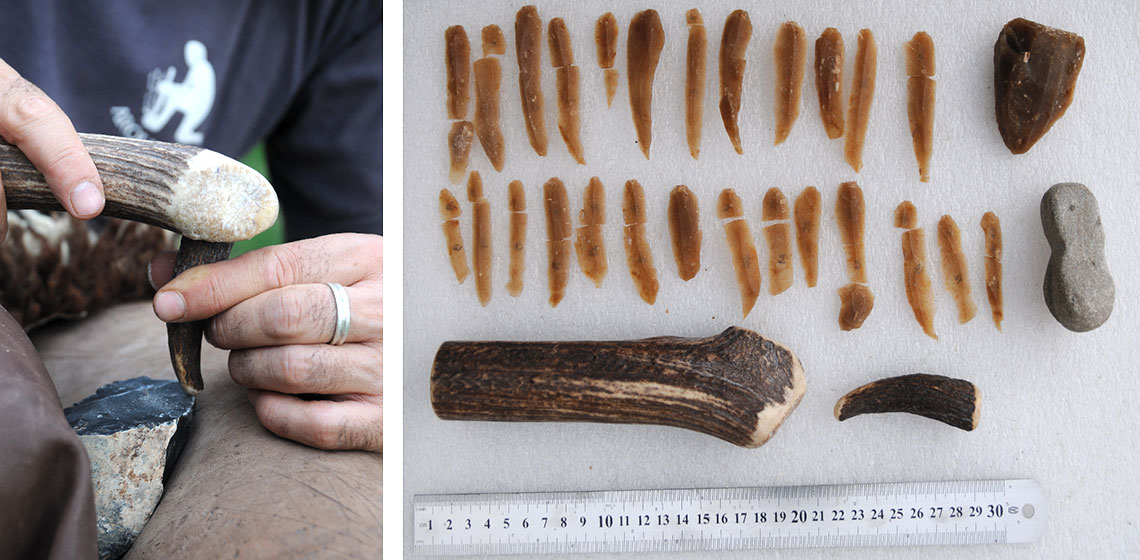
The exceptional preservation of organic material in the early Neolithic site of La Draga (Banyoles, north-east Iberian Peninsula) has allowed lines of research that had rarely been undertaken in the region. The research project carried out at the site of La Draga involves experimental archaeology as a...
Yeavering Reconsidered
Publication Date
1987 ESF Proceedings
The 1980s was the beginning of a boom in the construction of archaeologically inspired buildings inside and outside archaeological open-air museums.
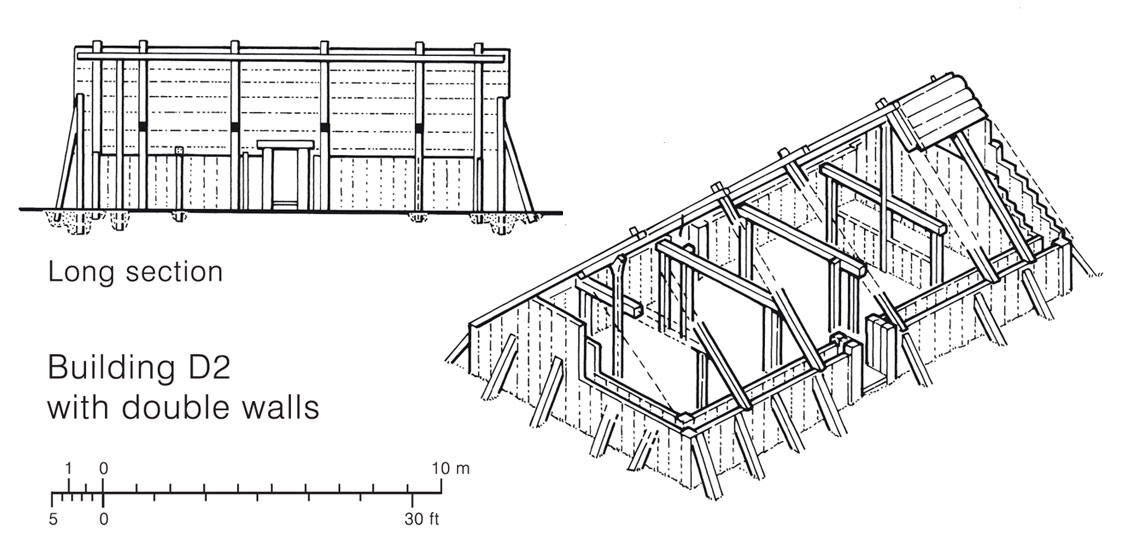
***Brian Hope-Taylor’s report (1977) on his excavations at Yeavering was received with a unanimous fanfare of approval from reviewers...
Two Reconstructions of Prehistoric Houses from Torun (Poland)
Publication Date
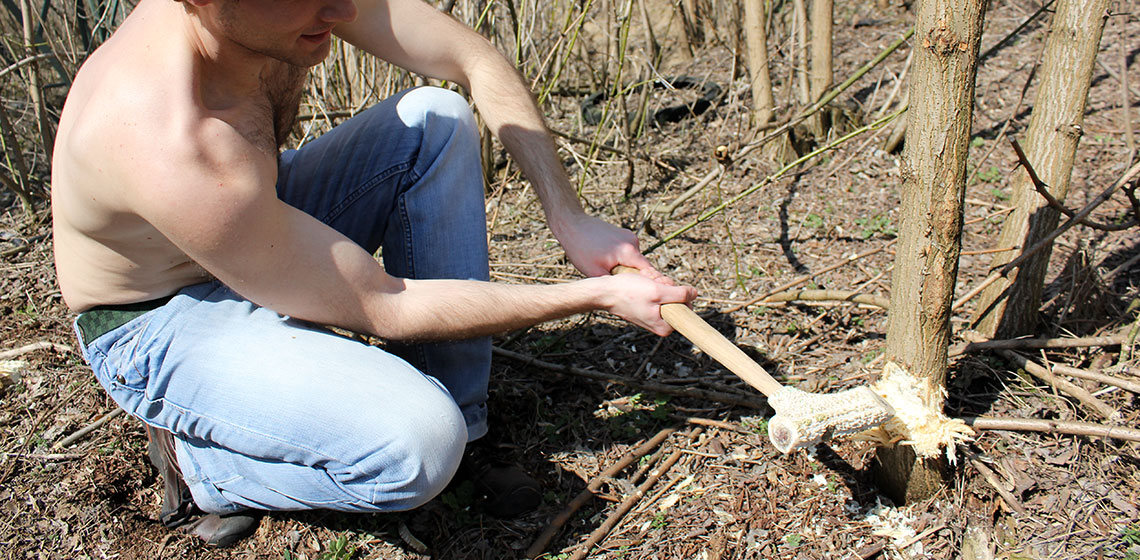
In 1998 the Society for Experimental Primeval Archaeology (SEPA) was founded at the Institute of Archaeology at the Nicolaus Copernicus University (NCU) in Toruń. Since its beginnings, SEPA members have dedicated a great effort to engaging in numerous scientific experiments with the aim to present human lifestyle in prehistoric times in general...
Ancient Wood, Woodworking and Wooden Houses
Publication Date
1987 ESF Proceedings
The 1980s was the beginning of a boom in the construction of archaeologically inspired buildings inside and outside archaeological open-air museums.
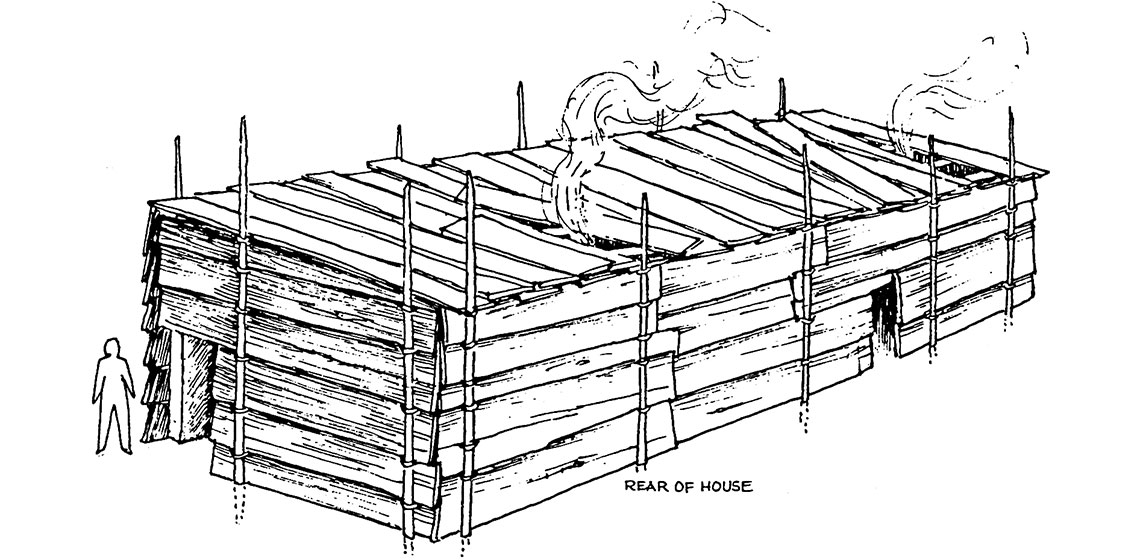
***This article introduces a record on the management and use of prehistoric woodland gained from the research of the Somerset Levels...