
transport
The Copper Path: Experimental Verification of Prehistoric Mobility and Gear Analysis in Central Slovakia
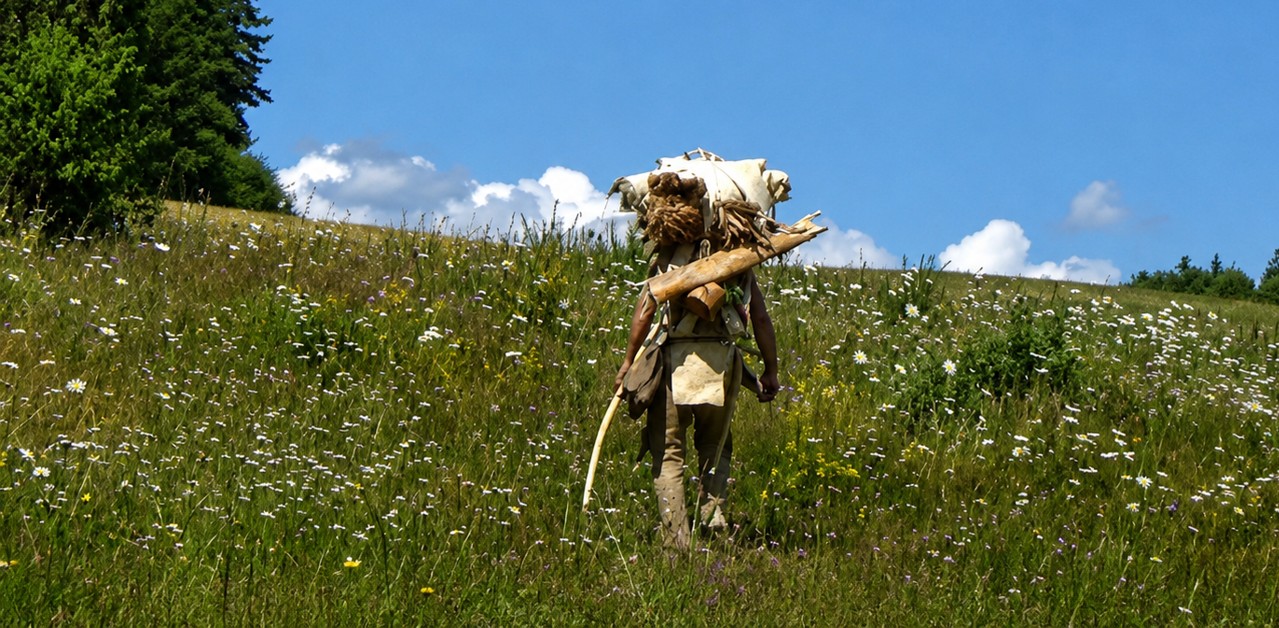
This research investigates the logistical framework and physiological constraints of prehistoric trade routes in Central Slovakia during the Chalcolithic period (4th millennium BC). The primary objective is to verify the suspected trade network of "Banská Bystrica copper," sourced from the Špania Dolina - Piesky deposits, which archaeological evidence suggests reached as far as Scandinavia and the Carpathian Basin. The methodology integrated experimental archaeology with cognitive landscape analysis, utilizing a full suite of reconstructed Eneolithic gear based on the finds from Ötzi the Iceman, the Schnidejoch pass, and the Areni-1 cave complex.
Basics of Theoretical Foundations in Historic Experimental Studies in the Sense of Practicability
Publication Date
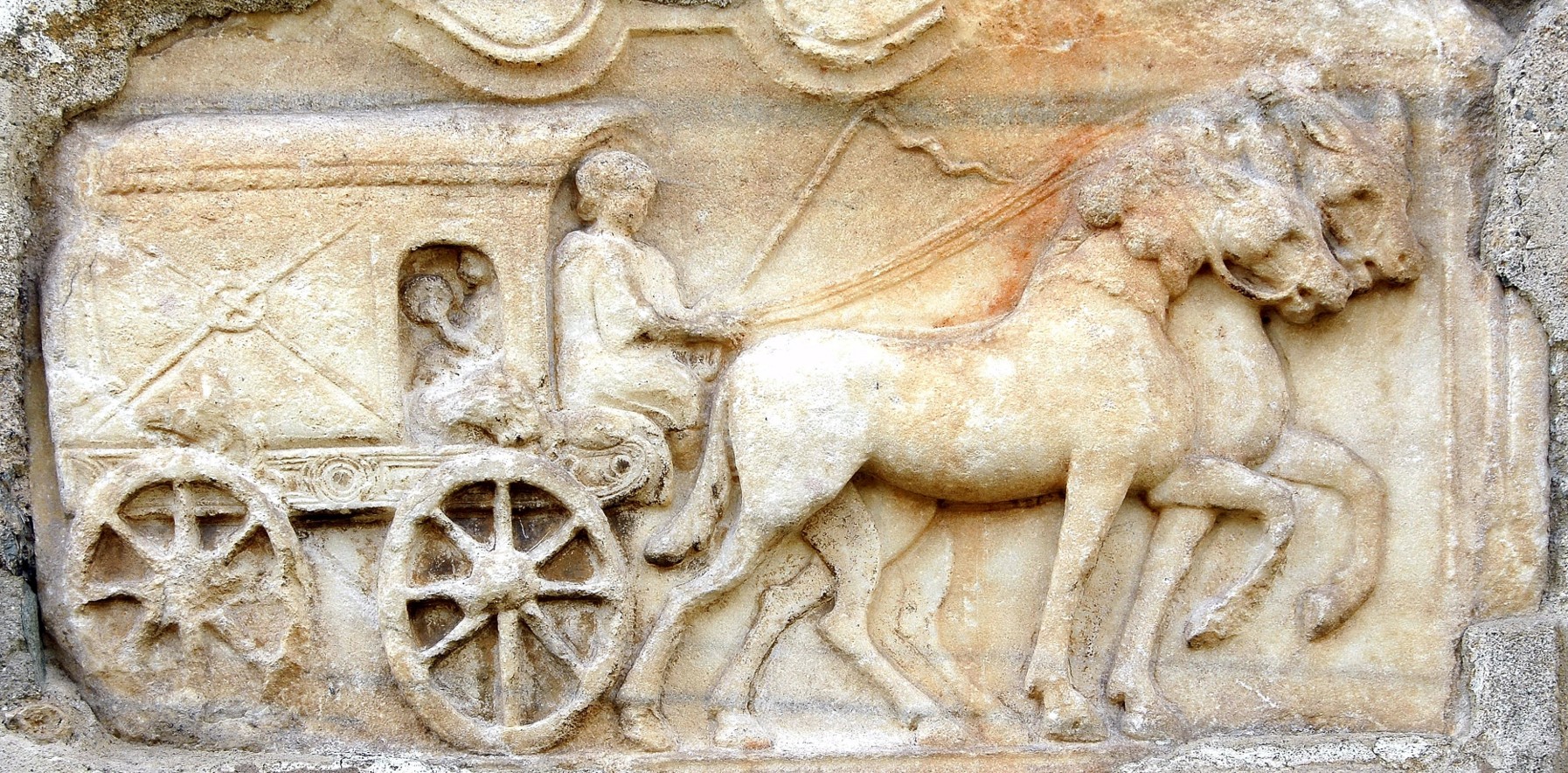
Researchers working in historical disciplines (history, archaeology, art history, legal history, theology) can draw on a source base that has grown in varying degrees. Nevertheless, source material especially for older periods remains incomplete, difficult to access or fragmentary. New insights into performance in a historical context of use - additionally to the fruitfully and carefully conducted ethnological comparison - are to be gained by supplementing, reconstructing and experimentally testing only fragmentarily preserved material or/and described evidence under historical conditions. Beyond the individual object, such reconstructions have epistemological relevance if they are methodologically controlled and verifiable.
Rediscovering and Rebuilding the Tranent-Cockenzie Waggonway: archaeology and experimental archaeology of Scotland’s First Railway
Publication Date
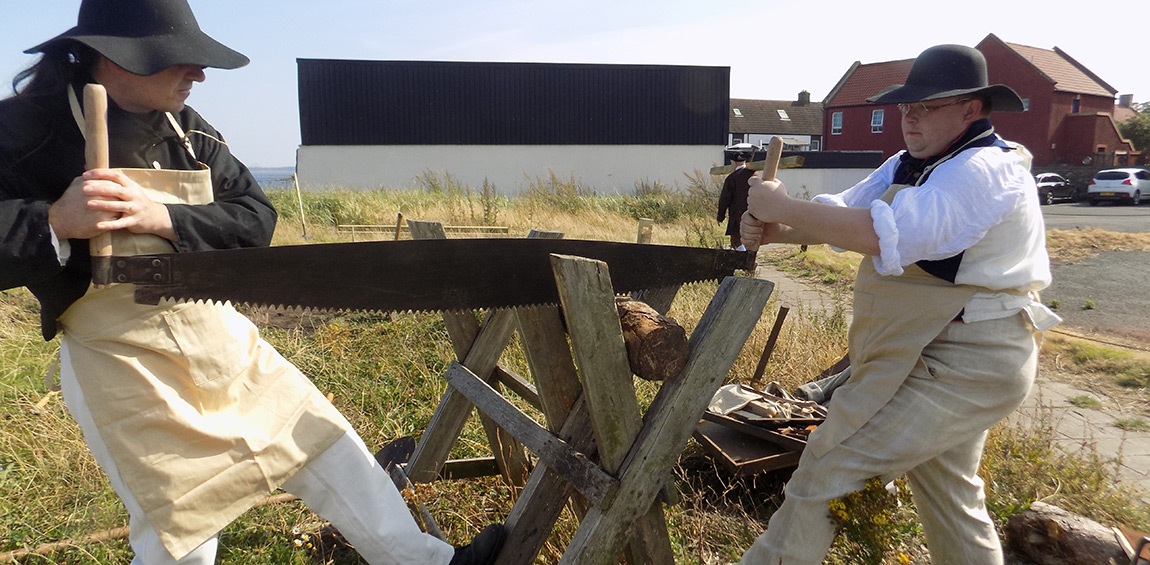
This paper discussed the history, archaeology and experimental reconstruction of the Tranent-Cockenzie Waggonway. First it outlines the known chronology of the railway; secondly is describes the archaeology of the wooden phases of the waggonway (1722-1815) and finally the recent (2024) experimental archaeological project which attempted to reconstruct a 6m long section of the waggonway based on archaeological evidence found in 2019 and 2021...
A Personal Experience in Communicating History: Tales From the River Trent

Publication Date
Saturday 1 September dawns gloriously, and is unseasonably sunny. Our fingers are crossed that this is the Indian Summer we'd been praying for all August since we intend to do a lot of walking in the next three weeks...